Florida Seed Bank Blog

Field notes, native plant education, seed stewardship, restoration stories, and updates from Florida’s growing conservation community.

Stories From the Field

Our blog documents the plants, people, habitats, wildlife, and scientific practices behind Florida native seed conservation. The Florida Seed Bank blog includes species profiles, restoration science, conservation field notes, regional seed genetics, habitat stories, and updates from across the state, with new material added as the statewide collection grows.

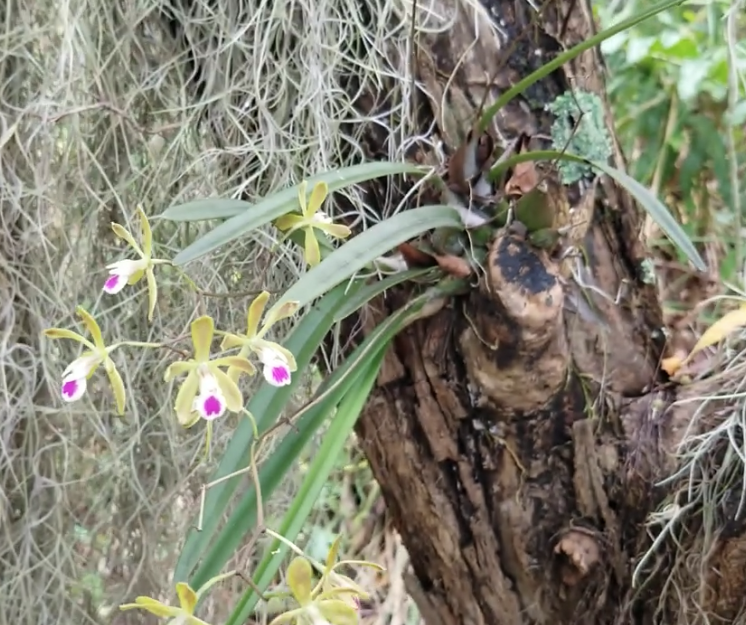
Encyclia tampensis, Florida’s native butterfly orchid, growing naturally in Florida
Florida Native Orchid Conservation

Know Your Orchid: Encyclia tampensis, Florida’s Native Butterfly Orchid

Florida Seed Bank  •  September 2026

Florida’s butterfly orchid is a native epiphyte adapted to life on trees, with exposed roots, pseudobulbs, fragrant star-shaped flowers, and a remarkable dependence on healthy habitat. Learn how Encyclia tampensis grows, how to cultivate legally propagated plants, and why conserving orchids means protecting far more than the bloom.

Read the Article
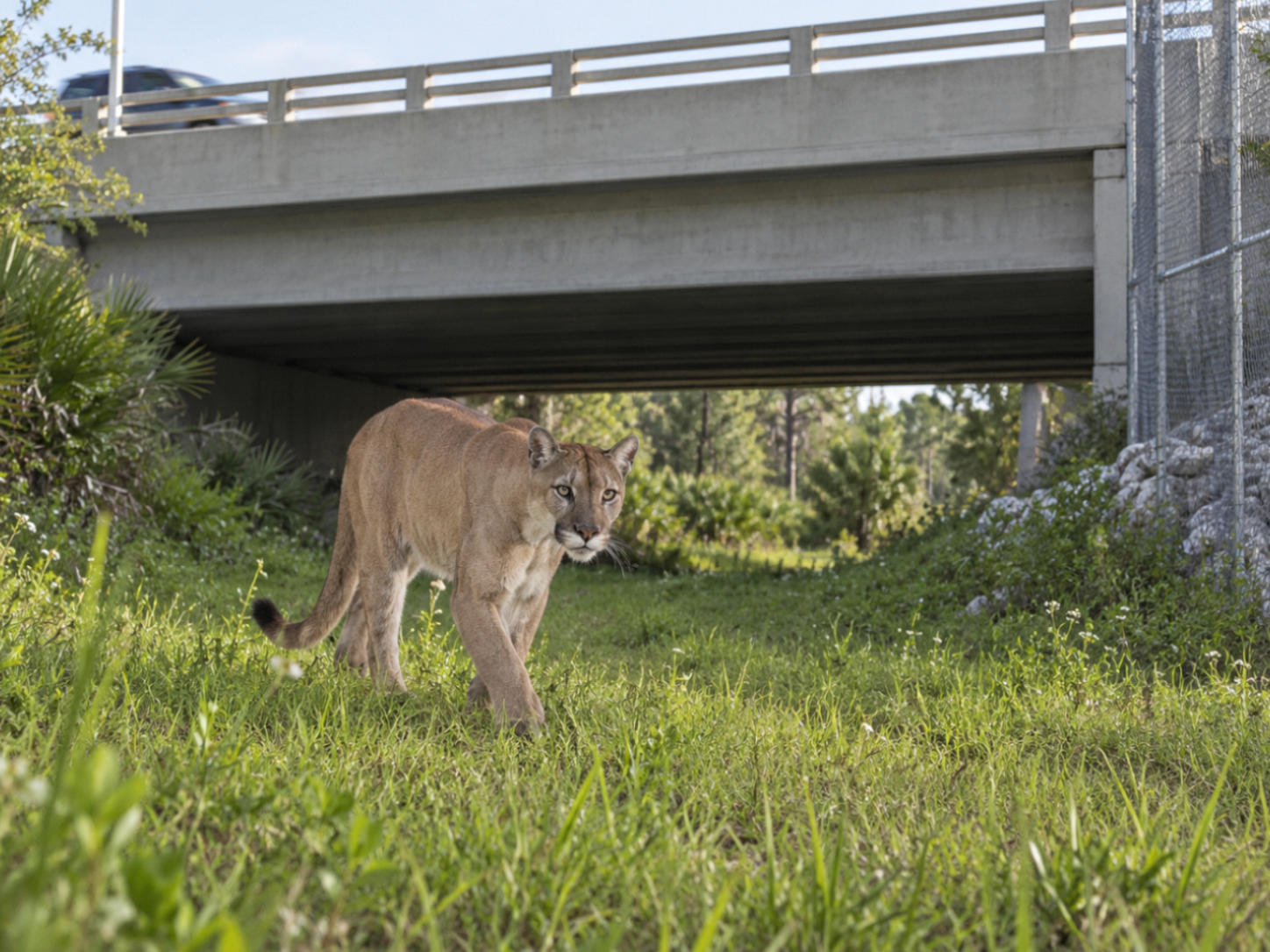
Illustration of a Florida panther using a wildlife corridor crossing
Habitat, Wildlife & Climate

Florida’s Wildlife Corridor Is a Lifeline

Florida Seed Bank  •  September 2026

Connected habitat protects more than wildlife. Florida Seed Bank examines the corridor’s role in climate resilience, safe panther crossings, and native plant conservation—and why seed banking cannot replace a living ecosystem.

Read the Article
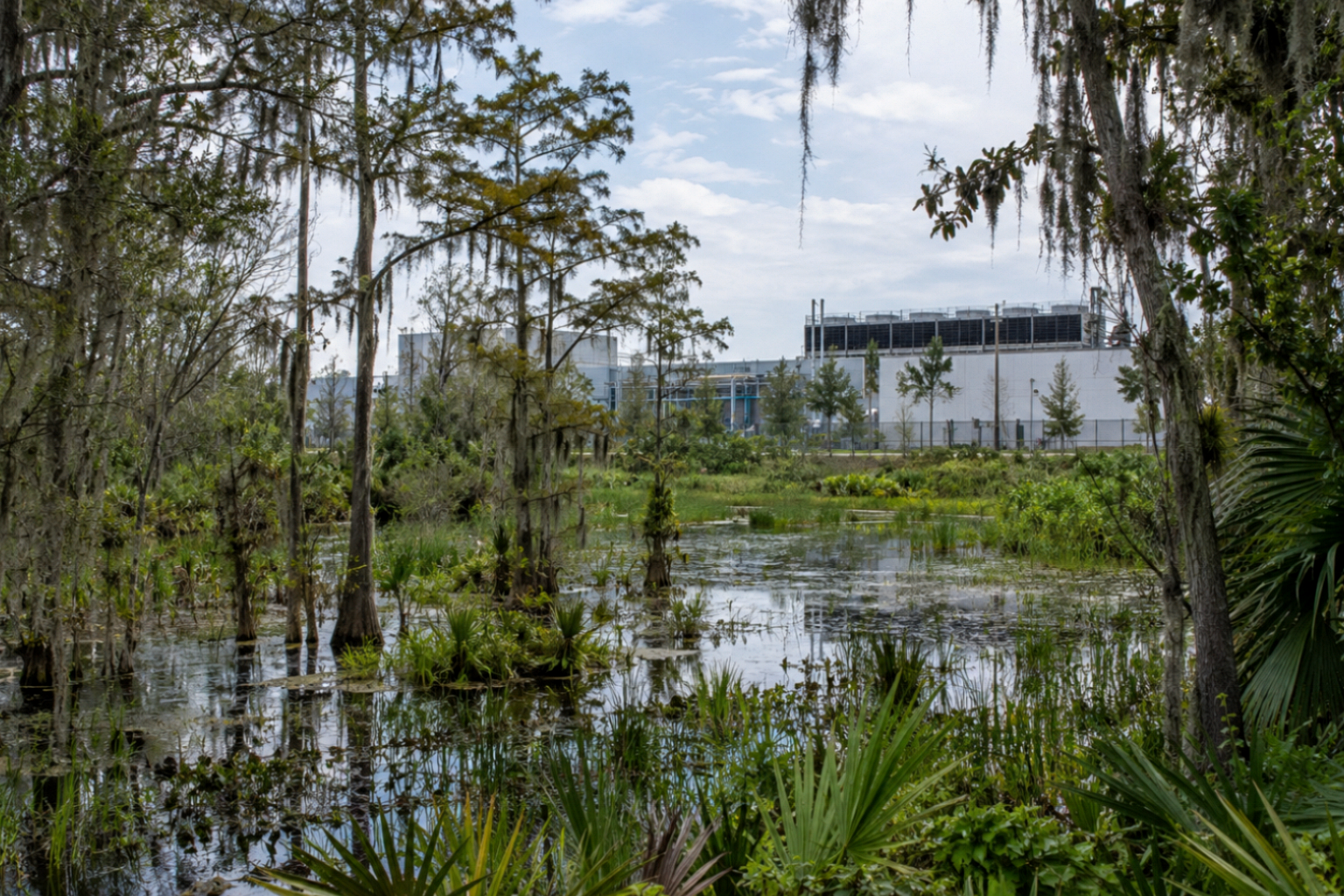
Illustrative Florida swamp beside a data-center facility
Habitat, Water & Energy

Florida Is Not a Server Farm

Florida Seed Bank  •  September 2026

Florida already has an established data-center industry. Proposed hyperscale and AI campuses represent a new phase of expansion, with risks to native habitat, wildlife, endangered species, and water supplies. Florida Seed Bank opposes environmentally destructive development and examines concerns about coal dependence and projected natural-gas demand.

Read the Article
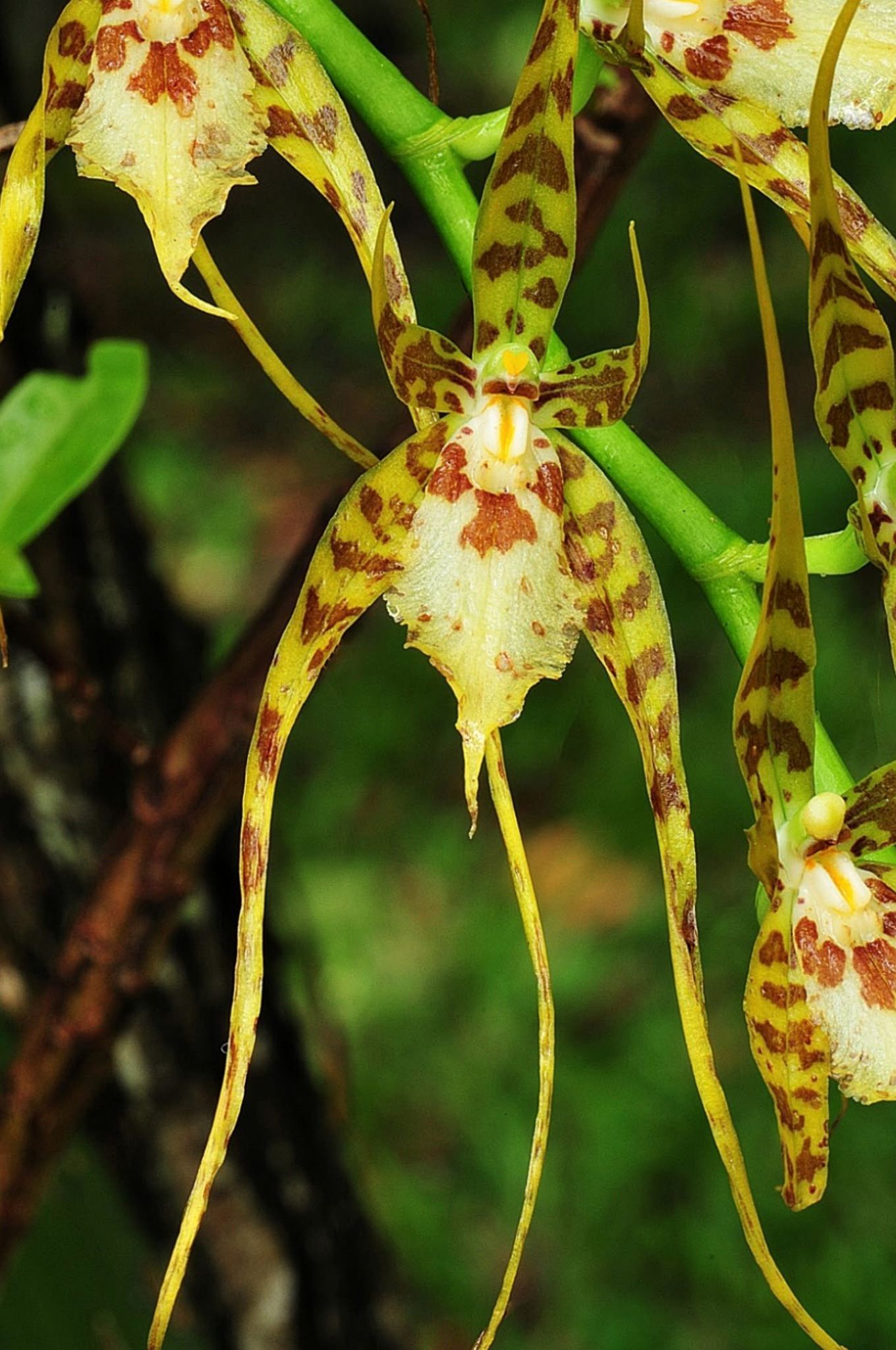
Brassia caudata, the Spider Orchid, one of Florida’s native orchids extirpated from the wild
Florida Native Orchid Conservation

Florida’s Wild Orchids Are Running Out of Time

Florida Seed Bank  •  August 2026

More than half of the world’s orchid species could disappear within this century. Florida has already lost four native orchids from the wild, while Govenia floridana is presumed globally extinct. Climate change, overdevelopment, habitat loss, altered hydrology, invasive species, poaching, fragmentation, and pressure on protected public lands show why conservation cannot wait until the last plants remain.

Read the Article
Vanilla mexicana, Florida’s endangered native vanilla orchid
Florida Native Orchid Conservation

Florida’s Scentless Vanilla: A Native Orchid Hanging On After Hurricanes

Florida Seed Bank  •  August 2026

Vanilla mexicana is one of Florida’s rarest native orchids. Hurricanes have already devastated portions of its dwindling populations, making Martin County’s surviving plants increasingly important and showing why seed conservation, genetic diversity, and geographic backup collections matter before the next major storm.

Read the Article
Everglades National Park landscape showing native South Florida habitat
Everglades Conservation

Everglades National Park in Peril

Florida Seed Bank  •  August 2026

Hurricane Irma exposed how vulnerable Florida’s rare native plants can be even inside one of the nation’s most famous protected landscapes. Habitat fragmentation, storm damage, invasive species, altered hydrology, and aging infrastructure all complicate recovery.

Read the Article
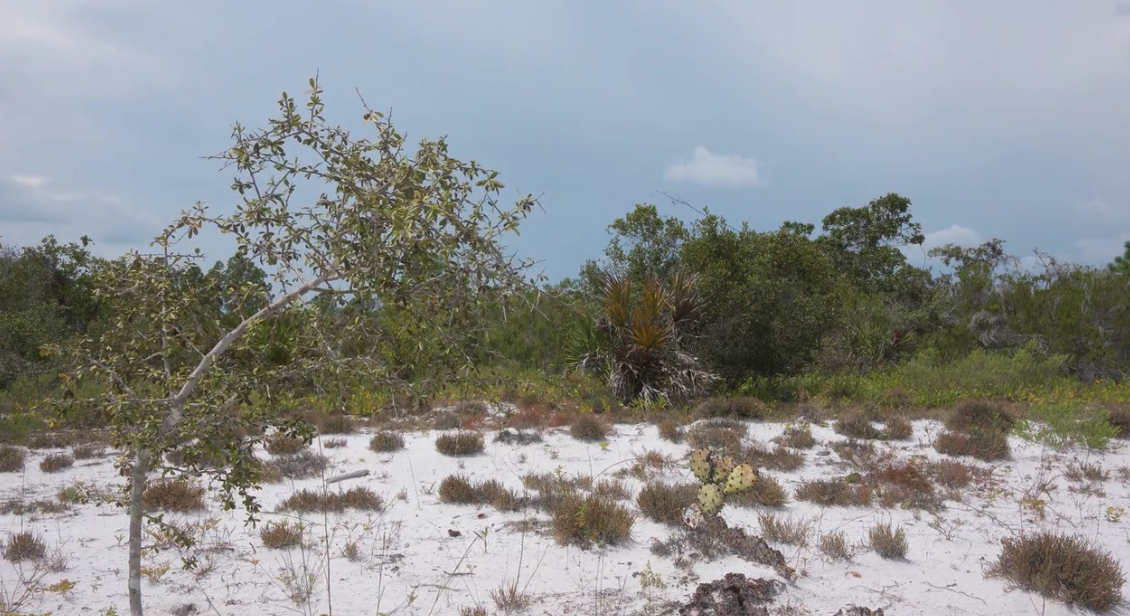
Central Florida scrubland with white sand, scrub oaks, and native vegetation
Central Florida Conservation

Central Florida’s Ancient Scrublands

Florida Seed Bank  •  August 2026

Along Central Florida’s ancient sandy ridges, rare native plants survive intense sun, drought, nutrient-poor soils, and periodic fire. Preserving locally adapted scrub seed can help protect the unique genetics of the Lake Wales Ridge and other increasingly fragmented scrub habitats.

Read the Article
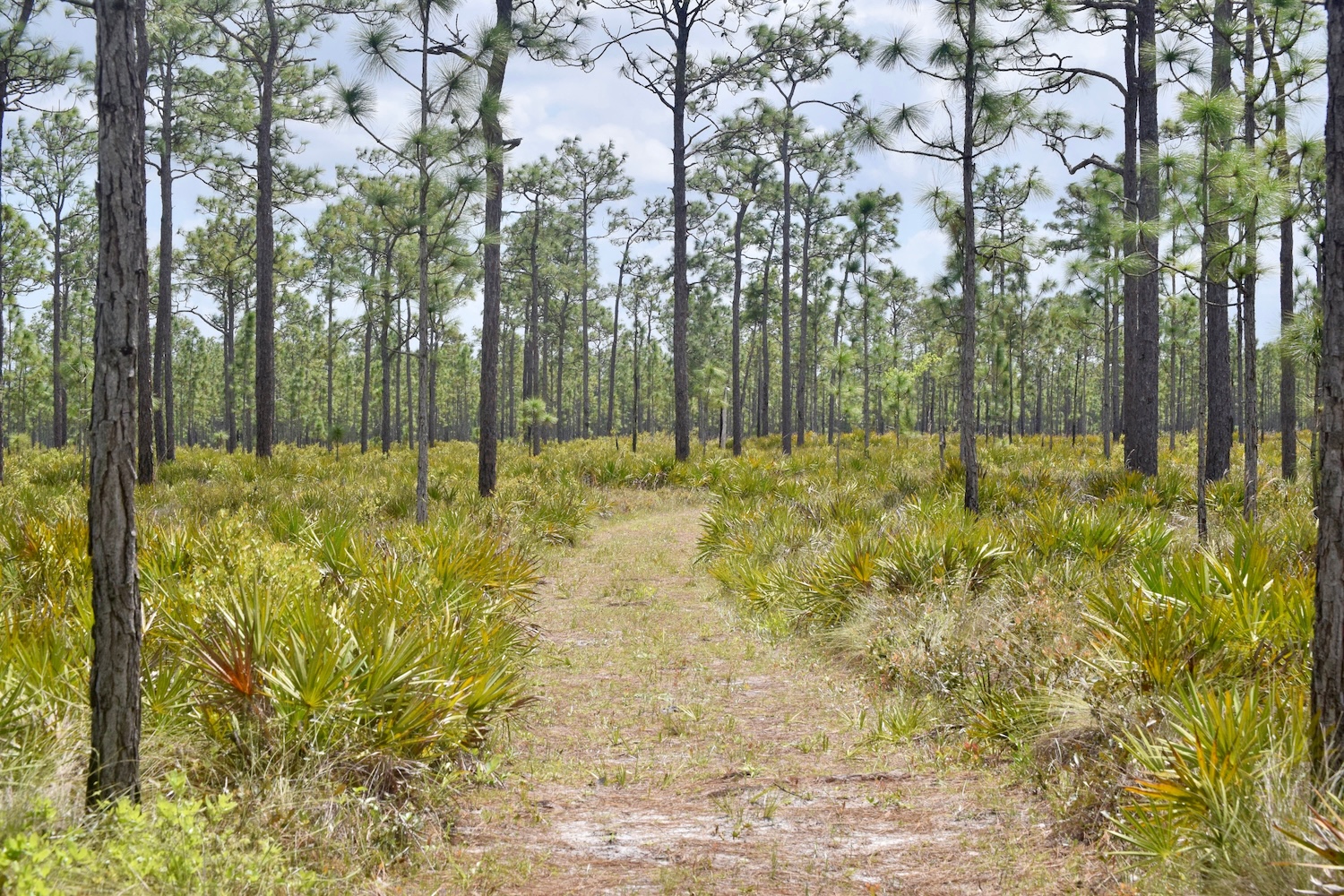
Longleaf pine savanna in the Florida Panhandle
Florida Panhandle Conservation

Florida’s Panhandle Longleaf Pine Savannas

Florida Seed Bank  •  August 2026

Northwest Florida protects a completely different side of the state, where longleaf pines rise above wiregrass, wildflowers, wet prairies, and pitcher plant communities. Preserving locally adapted seed is essential to restoring these extraordinary fire-shaped landscapes.

Read the Article
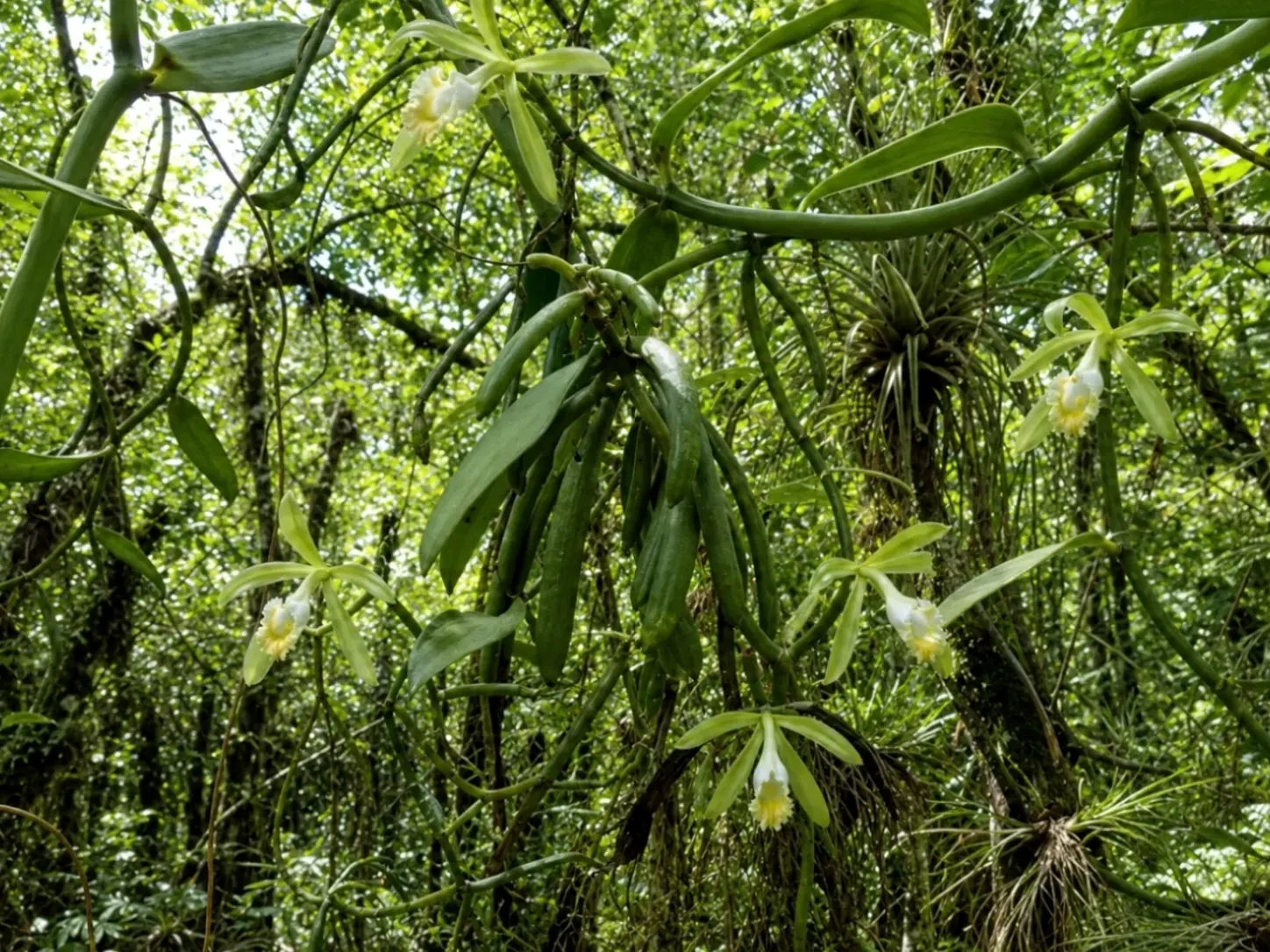
Vanilla phaeantha leafy vanilla orchid growing naturally in Florida
Florida Native Orchid Conservation

Florida’s Native Vanilla Orchid: Protecting Vanilla phaeantha

Florida Seed Bank  •  August 2026

Florida is home to only four native vanilla orchid species, and all are endangered in the state. The leafy vanilla orchid, Vanilla phaeantha, reveals a hidden tropical side of Florida and shows why protecting seeds, habitat, fungi, pollinators, and genetic diversity must work together.

Read the Article
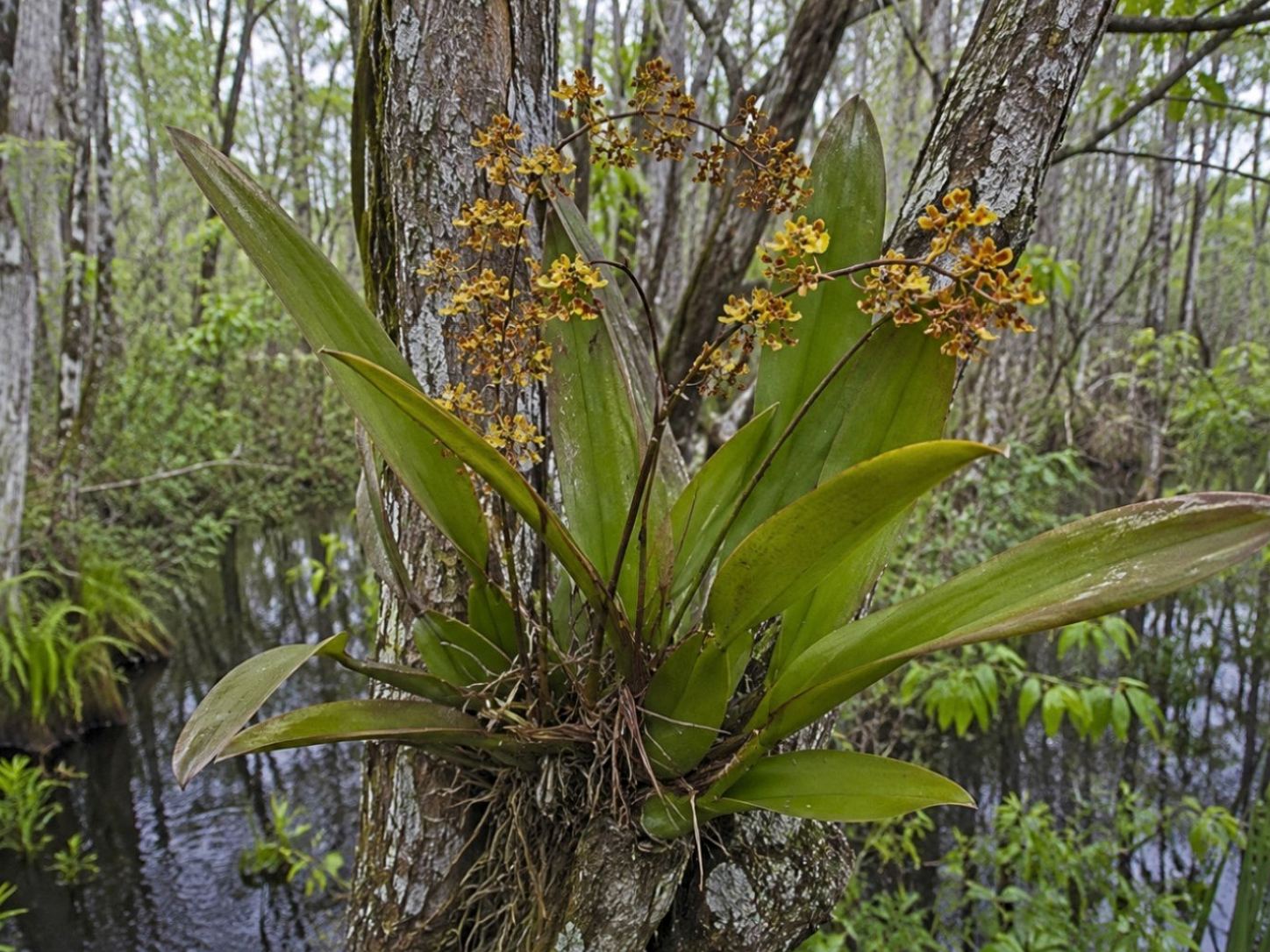
Florida mule ear orchid growing naturally in a tree
Florida Native Orchid Conservation

Saving Florida’s Mule Ear Orchid Through Seed Conservation

Florida Seed Bank  •  August 2026

One of Florida’s rarest native orchids now survives in the United States at a single known South Florida location. Carefully documented seed collection, freezer storage, propagation, and protected habitat could help preserve its remaining genetics before the population disappears.

Read the Article
Native Florida wildflowers growing in a natural habitat
Native Plant Conservation

Why Native Seeds Matter for Florida’s Future

Florida Seed Bank  •  July 2026

Florida’s native plants support pollinators, wildlife, waterways, soil health, and the ecological systems that make the state unique. As development continues to replace natural habitat, preserving regionally adapted native seed becomes one of the most important tools available for future restoration.

Read the Article

More Articles Are Growing

Future posts will cover ethical seed collection, Florida native plant identification, habitat restoration, regional seed genetics, invasive species, volunteer fieldwork, amplification plots, rare plant conservation, and ways landowners can help preserve Florida’s remaining wild flora.