On September 29, 2026, the Orange County Board of County Commissioners voted 4–3 to approve the Tuscana land-use plan in the Shingle Creek Basin, reversing the board’s unanimous rejection of the proposal in May 2025.
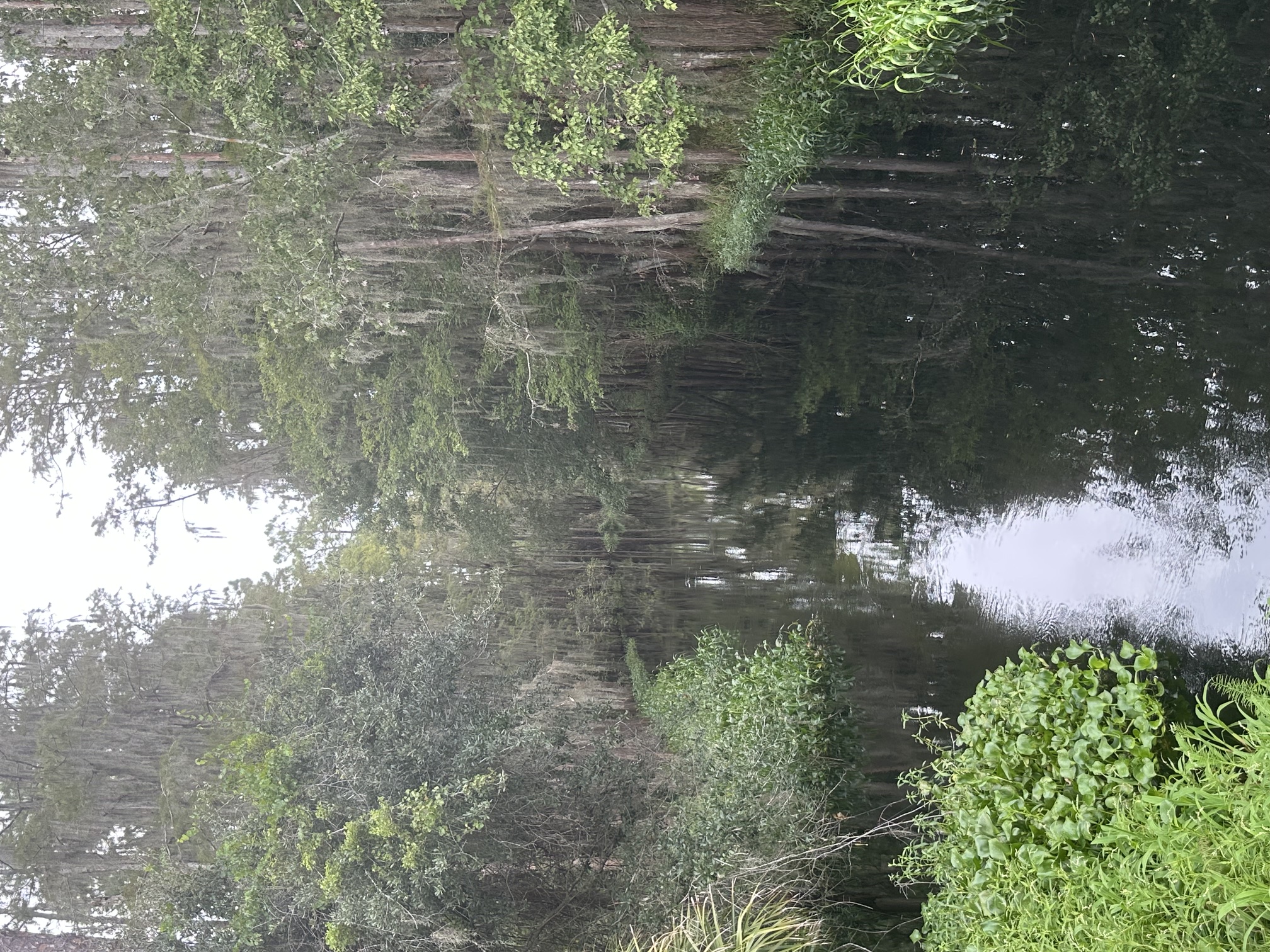
The Tuscana site covers nearly 230 acres in the Shingle Creek Basin in Orange County Commission District 1. The property lies north of State Road 417, south of Central Florida Parkway, and west of the Shingle Creek Preserve, placing the proposal directly beside one of the basin's major remaining natural areas.
The development plan includes 4,814 multifamily apartment units, approximately 1,291 hotel rooms, and 653,400 square feet of commercial space. The size and intensity of the proposal make it one of the most consequential development decisions affecting this portion of the Shingle Creek watershed.
The site also contains close to 59 acres of wetlands. The approved plan would directly eliminate more than 20 acres of protected Class I wetlands within the Shingle Creek Basin, which forms part of the northern headwaters of the greater Everglades system.
The September vote did not occur in a vacuum. In May 2025, Orange County commissioners unanimously rejected the Tuscana Planned Development. At that time, the proposal involved the same large-scale mix of multifamily housing, hotel rooms, and commercial development.
The project returned after a special-magistrate process involving the landowners’ challenge to the county’s previous denial. Orange County’s September 29 meeting agenda described the issue as consideration of the Special Magistrate’s recommendation concerning the Tuscana Land Use Plan and Conservation Area Impact Permit, together with claims under Florida land-use and property-rights law.
The Tuscana Decision at a Glance
- Orange County commissioners voted 4–3 on September 29, 2026, to approve the Tuscana land-use plan application.
- The same board had unanimously rejected the project in May 2025.
- The nearly 230-acre site lies north of State Road 417, south of Central Florida Parkway, and west of the Shingle Creek Preserve.
- The plan includes 4,814 multifamily apartment units, approximately 1,291 hotel rooms, and 653,400 square feet of commercial space.
- The property contains close to 59 acres of wetlands within the Shingle Creek Basin, part of the headwaters of the greater Everglades system.
- The plan would directly eliminate more than 20 acres of protected Class I wetlands.
- The approved plan included conditions and recommendations addressing flood mitigation, access roads, wetland buffers, mitigation, and wetland protection.
This Is About More Than One Development
Tuscana is important because it forces Central Florida to confront a difficult question: what happens when intense urban development reaches landscapes that are already performing essential ecological and hydrological work?
Orlando and Orange County continue to grow. Housing, hotels, businesses, transportation, and infrastructure are all necessary parts of a functioning region. Private landowners also have legitimate property interests that governments must consider.
But growth does not erase geography.
A wetland remains part of a watershed even when highways, subdivisions, hotels, and commercial corridors surround it. Water still has to move somewhere. Wildlife still needs habitat. Floodplains still store water. Natural systems still respond to storms according to hydrology rather than property lines.
Wetlands are not empty land waiting for a use. They are already working.
Why Shingle Creek Matters
Shingle Creek is especially significant because it is connected to a much larger Florida water system.
Spectrum News 13 describes the Shingle Creek Basin as containing wetlands, wildlife, and recreational areas that form part of the headwaters of the Everglades. Water from this landscape ultimately moves south through the interconnected Kissimmee–Okeechobee–Everglades system.
That means a wetland debate in metropolitan Orlando is not merely a neighborhood land-use dispute. It concerns the upper reaches of one of the most famous and ecologically important watersheds in the world.
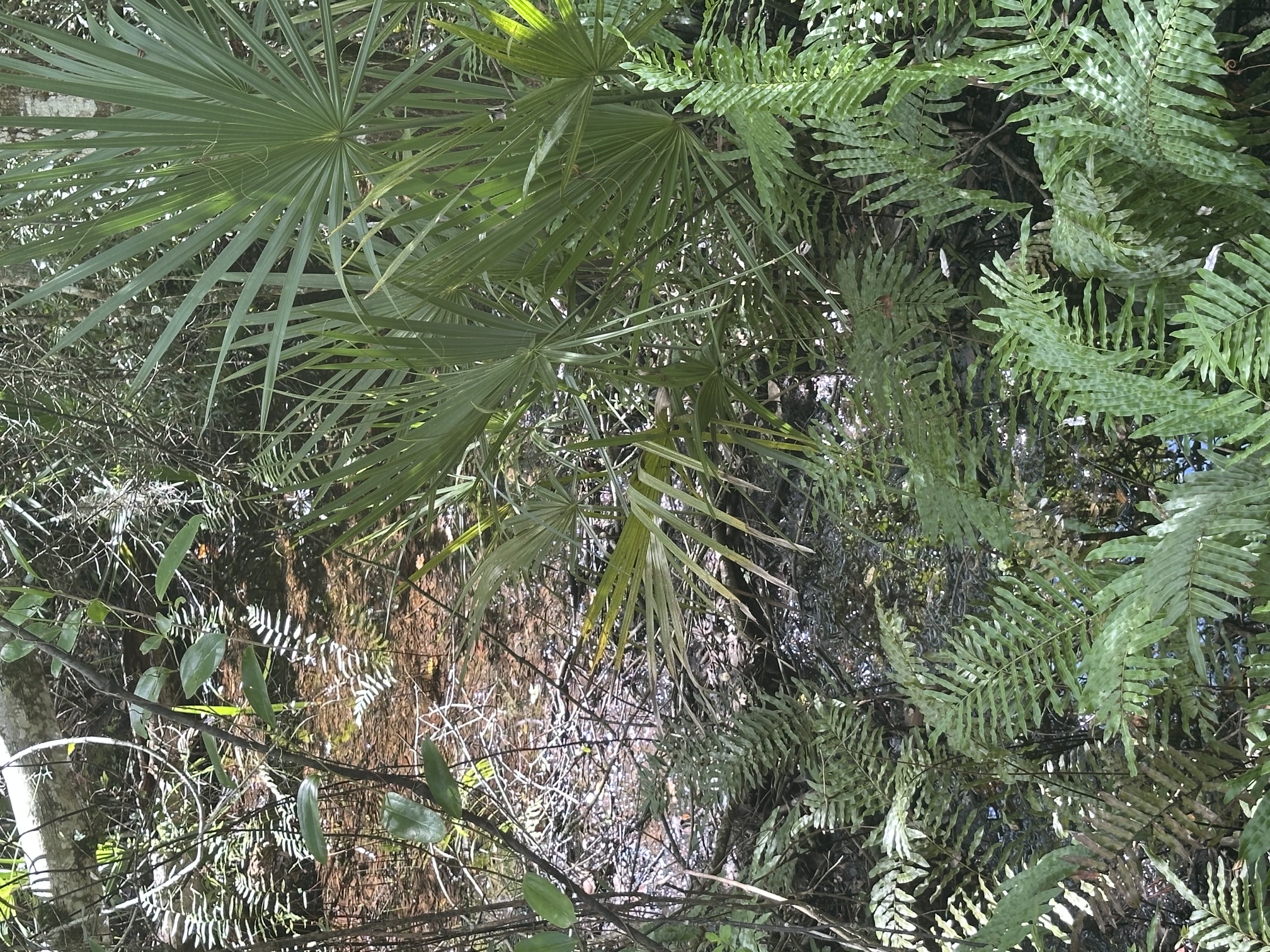
The ecological importance of a wetland is not determined by how close it is to a tourist corridor or how valuable surrounding land has become.
In fact, remaining natural areas can become more important as development intensifies around them. When pavement, rooftops, roads, parking lots, and other impervious surfaces replace permeable land, rainfall reaches drainage systems faster and natural storage areas become increasingly valuable.
Wetlands Are Natural Infrastructure
Florida’s wetlands perform functions that communities otherwise have to reproduce through expensive engineered systems.
Wetlands can temporarily store water, slow runoff, provide space for floodwaters, support groundwater and surface-water relationships, trap sediments, cycle nutrients, and sustain habitat for native plants and animals.
That does not mean every wetland prevents every flood, nor does it mean development can never occur near wetlands. Hydrology is complex, and the consequences of a particular project depend on elevation, drainage, stormwater engineering, wetland connectivity, rainfall, soil, groundwater, and the design of surrounding infrastructure.
It does mean that removing or altering wetlands should be treated as a serious hydrological decision rather than simply an acreage calculation.
What Wetlands Provide
- Temporary storage for rainfall and floodwater.
- Natural slowing and dispersal of stormwater.
- Habitat for native plants, birds, reptiles, amphibians, mammals, fish, insects, and microorganisms.
- Connections between groundwater and surface-water systems.
- Nutrient cycling and sediment retention.
- Ecological corridors through increasingly urbanized landscapes.
- Natural functions that can be difficult and expensive to reproduce with engineered infrastructure.
The Flooding Question
Flooding has been one of the central concerns raised by Tuscana opponents.
Before the September vote, Commissioner Nicole Wilson warned that development in the basin could create future flooding risks for areas including Hunter’s Creek, Williamsburg, and portions of Osceola County. Protect Shingle Creek founder Lee Perry similarly argued that paving portions of the basin could push water toward existing neighborhoods and businesses.
Those concerns are especially resonant in Central Florida after major storm events have demonstrated how quickly rainfall can overwhelm developed landscapes.
The developers dispute the idea that the project is being advanced without flood protections. In a statement reported by Spectrum News 13 after the vote, Shingle Creek Co-Owners said the rezoning includes specific conditions intended to protect against flooding and provide wetland protection.
Spectrum also reported that the approved application incorporated recommendations involving flood mitigation, access roads, and wetland protections, and included an offer to construct a raised road intended to help protect the wetlands.
Concern about flooding should not be presented as proof that a particular neighborhood will flood because of Tuscana. The central conservation question is whether the project’s mitigation, engineering, buffers, preserved areas, and long-term water management can adequately replace or protect the hydrological functions affected by development.
Nearly 59 Acres of Wetlands, With More Than 20 Acres Directly Lost
The Tuscana property encompasses close to 59 acres of wetlands. More than 20 acres of protected Class I wetlands would be directly eliminated under the development plan. Because these wetlands sit within the Shingle Creek Basin at the northern headwaters of the greater Everglades system, the debate is not only about the number of acres affected, but also about where those wetlands occur within the watershed.
Acreage is an important measurement, but wetland conservation cannot be understood by acreage alone.
Wetlands vary in their location, connectivity, vegetation, hydrology, wildlife use, surrounding uplands, and relationship to other wetlands. Two wetlands of identical size can perform very different ecological functions.
This is one reason wetland mitigation remains controversial in conservation. Creating, restoring, or protecting wetlands elsewhere can provide genuine ecological benefits, but a replacement site is not automatically identical to the natural system that was altered.
The location of a wetland is part of its function.
Conservation is not only about how many acres remain. It is about whether the ecological system still works.
Wildlife Does Not Recognize Development Boundaries
Shingle Creek’s wetlands and adjoining natural areas also provide habitat within one of Florida’s most intensely developed metropolitan regions.
Habitat fragmentation can occur even when portions of natural land remain. Roads, buildings, lighting, noise, altered drainage, invasive plants, vehicle traffic, pets, and human activity can change the ecological character of surrounding habitat.
For native plants, the effects may be subtle. Changes in water depth, hydroperiod, shade, fire, soil disturbance, invasive species, or pollinator movement can change which species are able to persist.
For wildlife, disconnected habitat can make movement between feeding, breeding, nesting, and refuge areas more difficult.
Protecting Florida biodiversity therefore requires looking beyond individual parcels. Watersheds, wildlife corridors, wetlands, uplands, and neighboring conservation lands function as systems.
Why the County Reversed Course
The September decision also illustrates how environmental planning can collide with property-rights law and the financial risk of litigation.
Spectrum reported that some commissioners who supported approval were concerned that continuing to fight the project could expose Orange County taxpayers to a very large legal judgment. Commissioner Mayra Uribe cited the potential value of the property, lost development proceeds, and legal costs while explaining her vote.
Commissioner Kelly Martinez Semrad, who voted against approval, argued that the county should fight the case. Commissioner Nicole Wilson also voted no and said she believed the county had the right to deny the project.
The developer’s position is different. Shingle Creek Co-Owners said the land had long been designated for high-density development and argued that the previous denial unfairly burdened reasonable use of privately owned property.
These competing positions are important to acknowledge.
Conservation decisions do not occur outside the legal system. Governments must defend their land-use decisions, respect property rights, follow adopted comprehensive plans, and consider financial exposure. At the same time, local governments are responsible for public safety, infrastructure, water management, and protection of natural resources.
The Original Rejection Was Significant
Orange County’s earlier decision demonstrates how dramatically the political and legal circumstances changed.
In May 2025, commissioners unanimously rejected the project. Spectrum reported that environmental protection and public-safety concerns were central to that vote.
The Orange County Planning and Zoning Commission had also rejected the proposal. Spectrum reported at the time that county planning staff and the Development Review Committee had not recommended approval and that flooding, wetlands, and consistency with earlier environmental protections were among the concerns.
The September 2026 vote therefore was not simply the routine approval of a development application. It represented a reversal following an extended dispute over land use, environmental impacts, legal exposure, and property rights.
Community Opposition Has Not Disappeared
Residents and conservation advocates have continued to organize around the Shingle Creek issue.
In Williamsburg, signs calling for protection of homes and wildlife and protesting the Tuscana ruling have appeared in the community. The message reflects the way this debate has moved beyond government hearing rooms and into neighborhoods whose residents believe they have a direct stake in the basin’s future.
During the earlier 2025 proceedings, Spectrum reported that Orange County received roughly 1,000 emails opposing the project and fewer than 100 supporting it.
Public opposition does not itself resolve the technical or legal questions surrounding a development. But it demonstrates that many residents view Shingle Creek not as vacant real estate, but as part of the environmental infrastructure protecting their communities.
What Florida Seed Bank Believes Is at Stake
Florida Seed Bank’s mission centers on the conservation of Florida’s native plant diversity and the genetic resources contained within natural populations.
Seed conservation is one line of defense against biodiversity loss. It is not a substitute for functioning habitat.
A freezer cannot store a watershed.
It cannot preserve the movement of water through Shingle Creek. It cannot reproduce a mature wetland community, the interaction between uplands and wetlands, a wildlife corridor, natural soil structure, or the ecological relationships built over decades and centuries.
Ex situ conservation becomes most powerful when it supports healthy ecosystems rather than replacing ecosystems after they have been lost.
We can preserve seeds as insurance. We cannot put the Shingle Creek Basin in a seed bank.
Development and Conservation Cannot Be Separate Conversations
Florida needs housing. Central Florida needs jobs, infrastructure, and economic opportunity. Those realities are not incompatible with conservation.
But the location, density, and design of development matter.
The most durable approach to growth is one that identifies ecologically and hydrologically important landscapes before development pressure becomes overwhelming, directs the greatest intensity toward appropriate locations, and protects natural systems that provide irreplaceable public benefits.
Waiting until a major project is already designed, financed, entitled, challenged, litigated, and politically entrenched makes conservation much harder.
Tuscana should therefore be studied not only as a single Orange County controversy but as a case study in how Florida plans for growth.
Questions Central Florida Should Keep Asking
- Which wetlands and flood-storage areas are too important to lose?
- How should cumulative development across an entire watershed be evaluated?
- Are mitigation projects reproducing the ecological functions that are actually being lost?
- How should future rainfall and extreme-storm risk be incorporated into land-use decisions?
- Can high-density growth be directed toward locations where environmental impacts are lower?
- How can property rights and reasonable land use coexist with long-term watershed protection?
- What natural systems will future generations wish we had protected before development made protection prohibitively expensive?
The Decision Is Made, but the Story Is Not Over
Approval of a land-use plan does not make the ecological questions disappear.
The conditions attached to the project, wetland mitigation, flood-control measures, access-road design, construction practices, water management, preserved areas, and long-term monitoring will determine much of what happens next.
Those details deserve continued public attention.
If the project moves forward, the public should be able to understand what wetlands are being affected, what protections are being required, where mitigation occurs, how flood assumptions were calculated, how preserved wetlands will be buffered, and whether promised environmental protections remain effective years after construction.
Conservation does not end when a commission casts its vote.
Protecting Shingle Creek Means Thinking Beyond Today
Florida has repeatedly learned that natural systems are easiest to protect before they are lost.
Restoring wetlands, reconnecting waterways, purchasing conservation land, rebuilding wildlife corridors, and retrofitting stormwater systems after development can cost far more than protecting important natural functions from the beginning.
Shingle Creek deserves that long view.
This watershed connects neighborhoods, wetlands, wildlife habitat, tourism corridors, county boundaries, and ultimately the greater Everglades system. Decisions made here will outlast any single commission meeting.
The debate over Tuscana should remind all of Central Florida that conservation is not opposition to the future.
Conservation is planning for a future in which people, communities, native species, and functioning ecosystems still have room to survive together.
Florida Seed Bank’s Conservation Perspective
- Protect functioning wetlands and their hydrology wherever possible.
- Evaluate watersheds as connected systems rather than isolated parcels.
- Preserve native plant communities and the genetic diversity they contain.
- Require meaningful, measurable, and durable mitigation when impacts cannot be avoided.
- Keep flood resilience and future storm conditions central to land-use planning.
- Maintain transparent public access to environmental studies, permits, mitigation commitments, and monitoring results.
- Treat natural infrastructure as infrastructure.
Sources and Further Reading
- Spectrum News 13 — Orange County commissioners reluctantly approve Tuscana Project in wetlands area
- Orlando Sentinel — Orange County reverses Tuscana denial as costs, wetlands split board
- Spectrum News 13 — Shingle Creek development plan heads back to Orange County commissioners
- Spectrum News 13 — Orange County commissioners reject development project in Shingle Creek Basin
- Orange County Government — September 29, 2026 Board of County Commissioners meeting preview
- Central Florida Public Media — Orange commissioners accept plans previously rejected to develop Shingle Creek
- ClickOrlando — Neighbors react after Orange County approves Shingle Creek development
- GrowthSpotter — Orange County reverses Tuscana denial as costs and wetlands split board
- Commissioner Kelly Semrad — Public statement on Shingle Creek and the Tuscana vote
- Representative Anna V. Eskamani — Public statement on the Tuscana development decision