When environmental advocate Erin Brockovich called attention to a proposed data center in Polk County, Florida, she raised questions about development, public participation, and local government accountability.
But there is another question that deserves equal attention.
What happens when development permanently changes an environment before scientists have even discovered everything living within it?
For Polk County, that is not simply a hypothetical concern. This part of Central Florida is home to extraordinarily rare native plants, including an orchid formally recognized as a new species less than a decade ago.
The proposed Auburndale Technology Center raises important questions about electricity demand, water resources, infrastructure, and environmental oversight. Those questions extend well beyond the boundaries of a single industrial property.
At Florida Seed Bank, we believe the discovery of rare native plants in Polk County demonstrates why environmental protection must begin before damage occurs—not after.
A Rare Orchid Was Hiding in Polk County
In 2017, researchers formally described a previously unrecognized native orchid species from Polk County.
The orchid, known as Fire Ladies'-tresses (Spiranthes igniorchis), was documented from the fire-maintained grasslands of Avon Park Air Force Range, with specimens collected in 2014.
Its delicate white flowers spiral along an upright stem. The species inhabits seasonally wet grasslands shaped by natural fire cycles, and its known distribution is exceptionally restricted.
For generations, Florida's landscapes had been studied, farmed, developed, and transformed. Yet this distinctive orchid was only recently recognized by science as a separate species.
That discovery should fundamentally change how we think about land development.
If an entirely distinct orchid species could remain scientifically unrecognized until 2017, what other plants might still be waiting to be discovered?
How many rare species survive in isolated wetlands, overlooked sandhills, fragments of native prairie, or patches of scrubland surrounded by development?
And how many might disappear before anyone recognizes their significance?
The Fire Ladies'-tresses discovery illustrates the limits of our knowledge. It does not establish that the orchid occurs at the Auburndale development site. Its documented habitat is farther south, and there is no verified evidence that the proposed data center directly threatens its known populations.
Nevertheless, the lesson is unmistakable: a landscape can hold biological value that is not obvious from a road, aerial photograph, or ordinary development survey.
Polk County Is Also Home to Plants Found Almost Nowhere Else
The orchid is only part of the story.
Polk County includes portions of the ancient Lake Wales Ridge, an ecosystem celebrated for its unusual concentrations of native species found nowhere else on Earth.
The U.S. Fish and Wildlife Service established the Lake Wales Ridge National Wildlife Refuge specifically to help conserve threatened and endangered plants. The refuge contains 23 listed plant species and supports some of Florida's most imperiled scrub and sandhill habitats.
Among the region's botanical treasures are Florida ziziphus, rare scrub lupines, native mints, and other plants restricted to remarkably small geographic areas.
Some depend on sandy soils formed over immense periods of geological history. Others rely on particular fire cycles, insect pollinators, or ecological relationships that cannot simply be recreated somewhere else.
Consider blushing scrub balm (Dicerandra modesta).
This rare Polk County native was identified as a distinct species after researchers investigated an unusual plant in the 1990s. According to WUFT reporting in May 2025, its last known wild population lies near Lake Marion Creek Wildlife Management Area, where proposed highway routes raised concerns about its survival.
That is a separate development controversy, not part of the Auburndale data center proposal. But it illustrates the larger problem: plants with extraordinarily limited populations can face significant risks when new infrastructure enters their remaining habitat.
Even more strikingly, Florida's 2026 Florida Forever Plan identifies a population of scrub mint on the Lake Wales Ridge that may represent another new species.
Read that again.
As Florida continues developing, state conservation documents acknowledge that some of its remaining natural areas may contain plants not yet formally described by science.
We cannot protect what we have not identified. And once a unique population or species is lost, development cannot bring it back.
The Auburndale Data Center: What Is Being Proposed?
The Auburndale Technology Center is proposed for approximately 75 acres near Pace Road, Interstate 4, and the Polk Parkway.
The developer, associated with Texas-based Hillwood and Pace Road DC Development LLC, intends to convert two existing industrial warehouse buildings into a data storage and computing facility.
Auburndale approved land-use and zoning changes in December 2023. In November 2026, the developer submitted plans to retrofit the existing buildings.
Unlike a proposal to clear untouched forest, the first phase involves structures on land already developed for industrial purposes. The developer states that the site was previously cleared and that the retrofit will not disturb existing natural habitat.
That distinction matters.
However, an existing industrial site does not automatically eliminate broader environmental concerns.
According to the developer's published figures, the facility could require approximately 350 megawatts of electricity initially, increasing to 700 megawatts at full development.
The company also estimates approximately 4,665 gallons of water use per day and proposes a closed-loop cooling system. It maintains that its design would use less water than the previously planned warehouse operations.
The developer projects approximately 292 permanent jobs and substantial tax revenue.
These potential benefits deserve consideration. So do the environmental consequences.
A data center's footprint is not necessarily limited to the land beneath its buildings.
Environmental Damage Can Extend Far Beyond a Property Line
The environmental consequences of large-scale computing infrastructure depend on how its electricity is generated, how its cooling systems operate, and what additional infrastructure is required.
For Florida, several questions demand scrutiny.
Electricity generation and air emissions. A facility capable of consuming 700 megawatts represents an extraordinary demand for electrical power. If meeting that demand requires additional fossil-fuel generation, the result could include increased greenhouse gas emissions and air pollution. The actual effect depends on the utility's generation mix and infrastructure plans.
Transmission lines and habitat fragmentation. New substations, transmission corridors, access roads, or utility upgrades may create land-use impacts beyond the data center itself. Any proposed routes should be examined for effects on native vegetation, wetlands, wildlife corridors, and protected habitat.
Water resources. Florida's groundwater, lakes, wetlands, and connected ecosystems are vital to native plant survival. Although the developer proposes water-saving cooling technology, its actual water withdrawals, wastewater handling, and indirect water demands should be independently evaluated and monitored.
Stormwater and water quality. Any additional paving, grading, construction, or site modifications could affect runoff and drainage. Whether such impacts occur depends on the final approved plans and existing stormwater protections.
Noise, lighting, and surrounding ecosystems. Continuous mechanical operations and artificial lighting can create localized disturbances. Their effects on nearby wildlife and habitats depend on equipment design, location, and protective measures.
None of these potential impacts should be presented as damage already proven at Auburndale. But neither should they be dismissed merely because a project is described as technologically advanced or economically beneficial.
The appropriate standard is not whether a developer promises to minimize environmental harm. It is whether those promises can be independently verified and enforced.
The Greater Threat: Thousands of Decisions Made One Parcel at a Time
Perhaps Florida's most significant environmental challenge is cumulative development.
A road is widened. Another warehouse is built. A wetland is modified. A new utility corridor is established. A patch of native scrub is converted into another land use.
Individually, projects may appear manageable.
Collectively, they can divide habitats into smaller and smaller fragments, change natural water movement, interrupt wildlife corridors, and undermine the ecological processes that sustain native plants.
For species confined to a handful of locations, even relatively small losses can be consequential.
The 2026 Florida Forever Plan describes the Lake Wales Ridge as an ecosystem facing continuing development pressure and warns that many of its remaining natural habitats are fragmented.
Florida should not have to wait until another native species is reduced to its last surviving population before recognizing the importance of its habitat.
The cumulative effects of development deserve the same attention as the impacts of individual projects.
Public Approval Should Never Replace Environmental Accountability
Erin Brockovich's concerns about transparency deserve serious consideration.
Auburndale's December 2023 public records show that commissioners unanimously approved the relevant land-use and zoning changes, even though the Planning Commission had voted 3–2 against the zoning amendment.
The records also show that the hearings were advertised and that no member of the public spoke during the final votes.
Those facts do not, by themselves, prove secrecy or improper conduct. They do, however, raise an important question about whether the public understood the scale and nature of the development that could eventually occupy the property.
A zoning decision made years earlier should not be treated as a substitute for ongoing transparency about a project's environmental demands.
Residents deserve access to complete and understandable information before remaining approvals are granted.
What Florida Seed Bank Believes Should Happen
Florida Seed Bank calls for a precautionary, science-based approach to major development in ecologically sensitive regions.
For the Auburndale proposal and any associated off-site infrastructure, we believe the public should receive:
- Independent environmental documentation identifying potential impacts on native plants, wildlife, wetlands, surface water, and groundwater, including any areas affected by future expansion or utility construction.
- Seasonally appropriate botanical surveys wherever new ground disturbance is proposed, with qualified botanists assessing rare and potentially overlooked native species before clearing occurs.
- Transparent electricity and water assessments documenting projected demand, required infrastructure, water sources, and potential regional environmental effects.
- A cumulative-impact review examining how the project and associated infrastructure fit into broader development pressures throughout Polk County.
- Publicly accessible monitoring and enforceable protections, including meaningful opportunities for residents and independent conservation specialists to review the findings.
Where rare plants are identified, avoidance and preservation of their natural habitat should take priority over relocation or collection.
Native seed banking can provide important long-term conservation support, but it cannot replace a functioning ecosystem. Some species, particularly orchids, also have specialized germination requirements and relationships with soil fungi that make conservation more complicated than simply storing seeds.
Protecting native plants requires protecting the ecological relationships that sustain them.
We Cannot Afford to Discover Florida's Natural Heritage Only After It Is Gone
Polk County's Fire Ladies'-tresses orchid is a reminder that scientific discovery is still happening in Florida.
Blushing scrub balm demonstrates how vulnerable an extraordinarily restricted native plant can become when development approaches its remaining habitat.
And the possible new scrub-mint species identified in the state's own conservation planning documents reminds us that Florida's botanical diversity is not yet completely understood.
These discoveries should inspire curiosity, scientific investment, and a commitment to preservation.
Instead, development pressures continue advancing across the state.
Florida does need infrastructure. Its communities need jobs, reliable electricity, and economic opportunities. Those needs are real.
But a prosperous future should not require accepting irreversible environmental losses without adequate investigation.
The most troubling possibility is not simply that development could destroy a rare native plant. It is that we might destroy something extraordinary without ever knowing it existed.
We cannot measure every ecological loss solely in acres, construction costs, or projected tax revenue.
Some losses represent unique genetic diversity, irreplaceable evolutionary history, and relationships within ecosystems that took thousands of years to develop.
For Florida Seed Bank, the lesson is clear.
We must identify, study, protect, and preserve Florida's native plants before development makes those choices for us.
Once a species disappears, no economic development agreement can bring it back.
Sources and further reading
- City of Auburndale — Commission Minutes, December 18, 2023
- Auburndale Technology Center — Developer Project Details
- Tampa Bay 28 — Auburndale Data Center Public Workshop and Environmental Questions
- North American Orchid Conservation Center — Fire Ladies'-tresses
- U.S. Fish & Wildlife Service — Lake Wales Ridge National Wildlife Refuge
- Florida Department of Environmental Protection — 2026 Lake Wales Ridge Conservation Plan
- WUFT — Polk County's Blushing Scrub Balm and Proposed Tollway
- Congressional Research Service — Data Centers and Water, July 2026
Field Guide: Rare Native Plants of Polk County and the Lake Wales Ridge
These photographs document living botanical diversity across Polk County and the wider Lake Wales Ridge region. They are regional conservation examples, not records from the Auburndale Technology Center site. Some species occur in neighboring counties rather than Polk County itself.
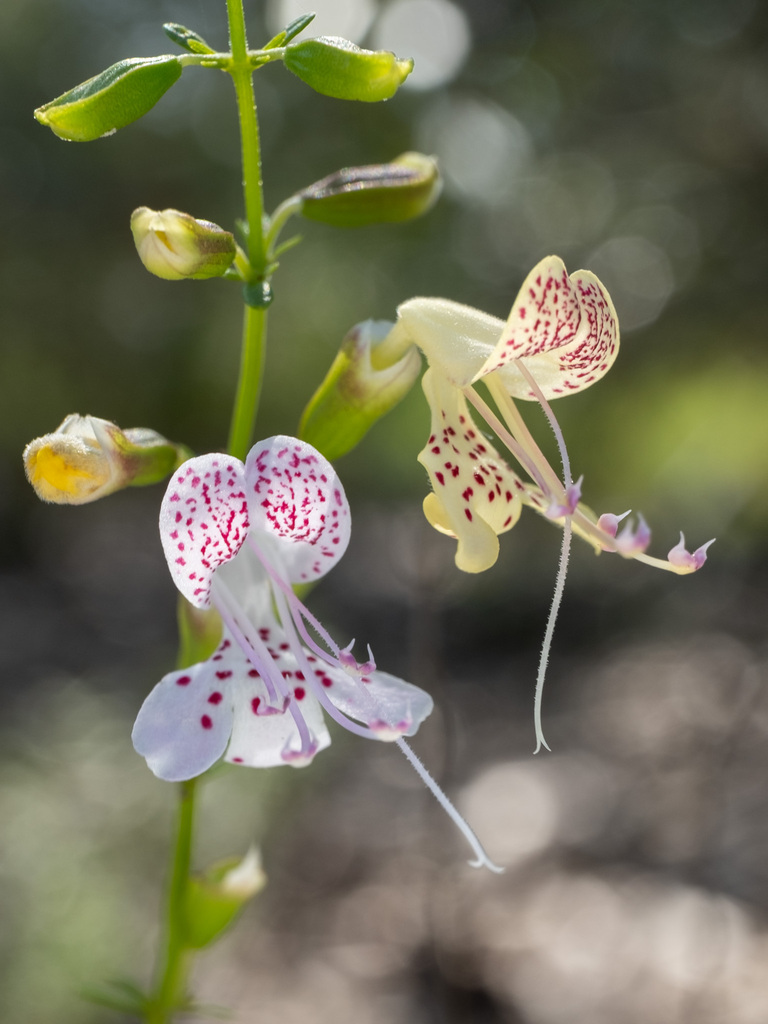
Blushing Scrub Balm
Dicerandra modestaPolk County endemic: this aromatic mint has a severely restricted wild range near the Lake Wales Ridge. A separate highway proposal has raised concerns about its remaining habitat.
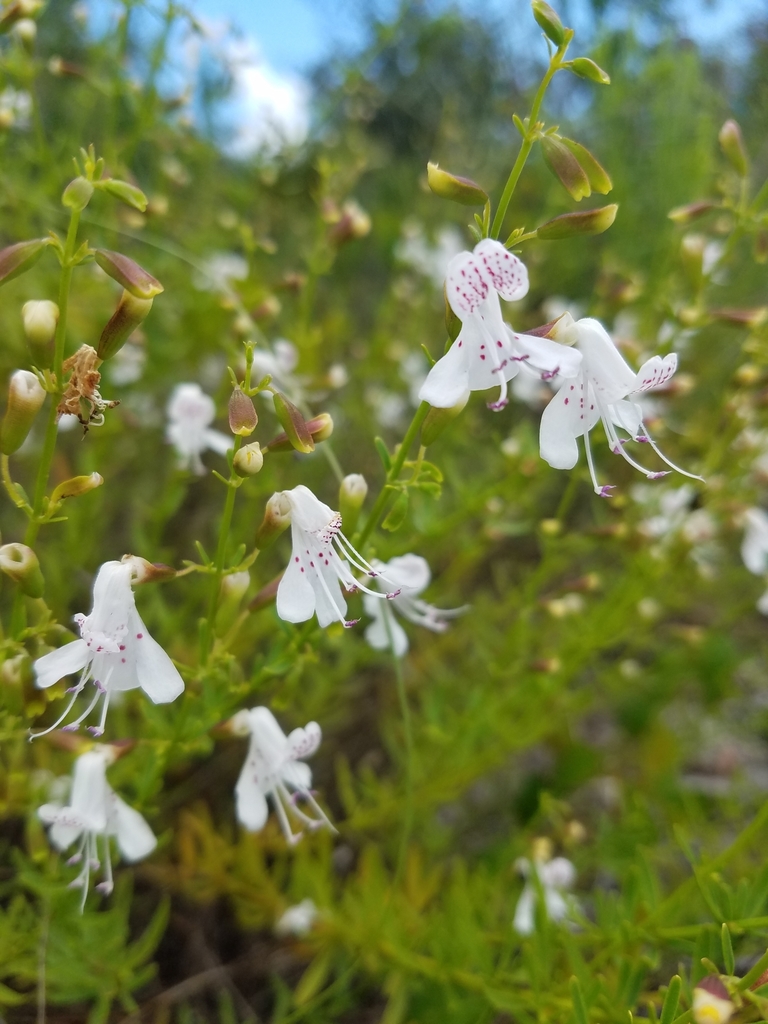
Photo: Alex Abair · CC BY 4.0Scrub Mint
Dicerandra frutescensLake Wales Ridge regional comparison: this federally endangered mint is endemic to Highlands County, south of Polk. It should not be confused with Polk County’s blushing scrub balm.
Photo: Scott Ward · CC BY 4.0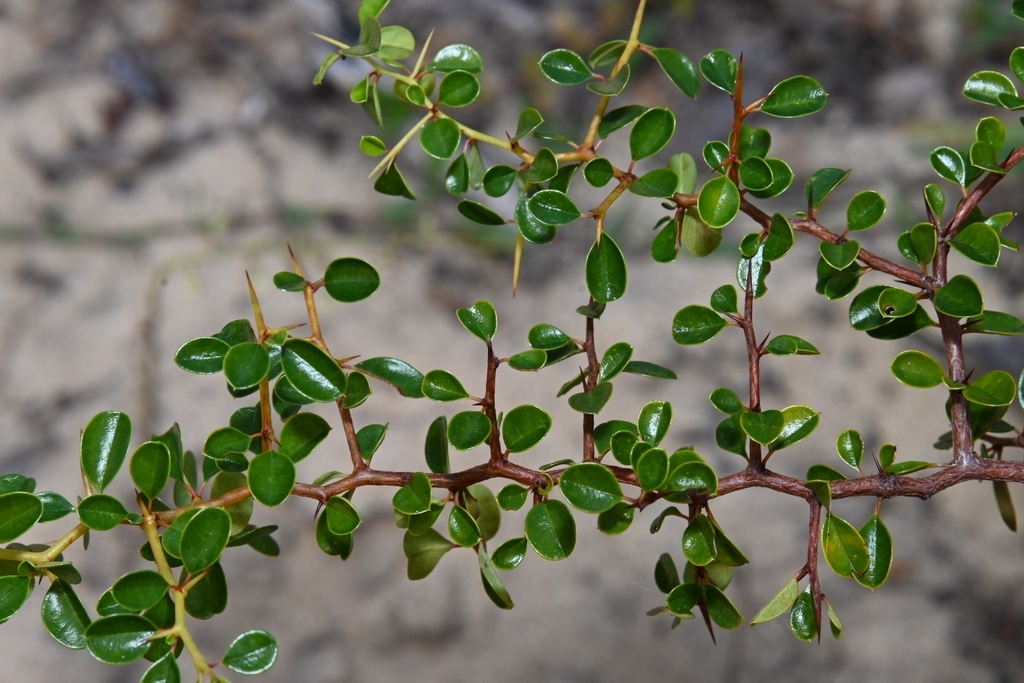
Florida Jujube / Florida Ziziphus
Pseudoziziphus celataA federally endangered, spiny shrub native to the Lake Wales Ridge in Polk and Highlands counties; its small, isolated populations create major genetic-conservation challenges.
Photo: Joey Santore · CC BY 4.0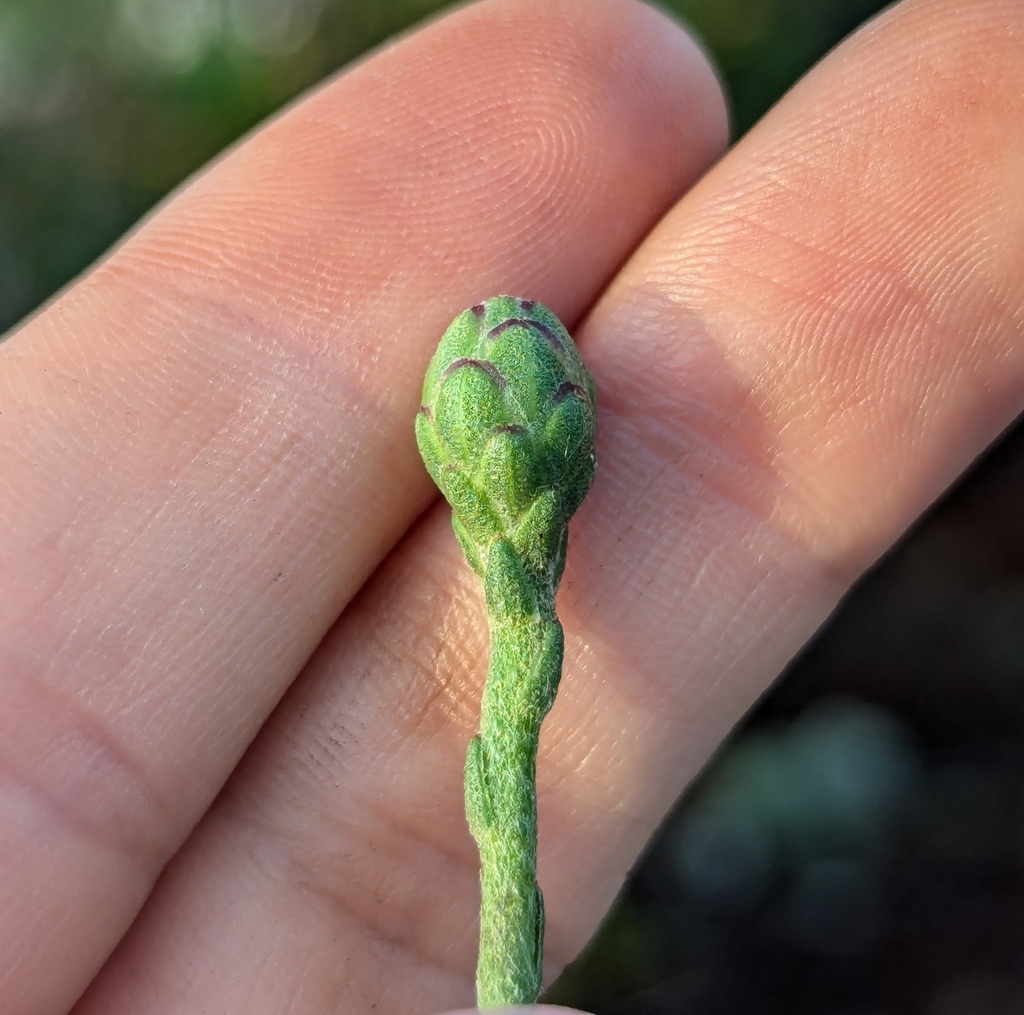
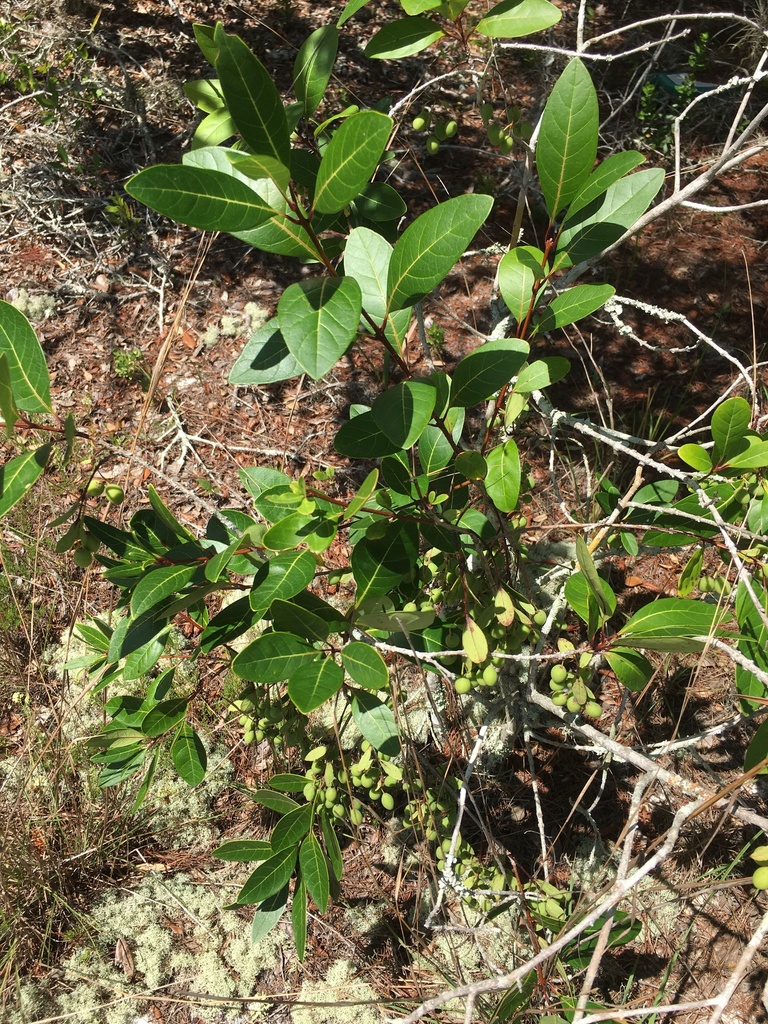
Scrub Blazing Star
Liatris ohlingeraeA federally endangered, fire-adapted wildflower of Lake Wales Ridge scrub in Polk and Highlands counties, threatened by conversion and disruption of fire regimes.
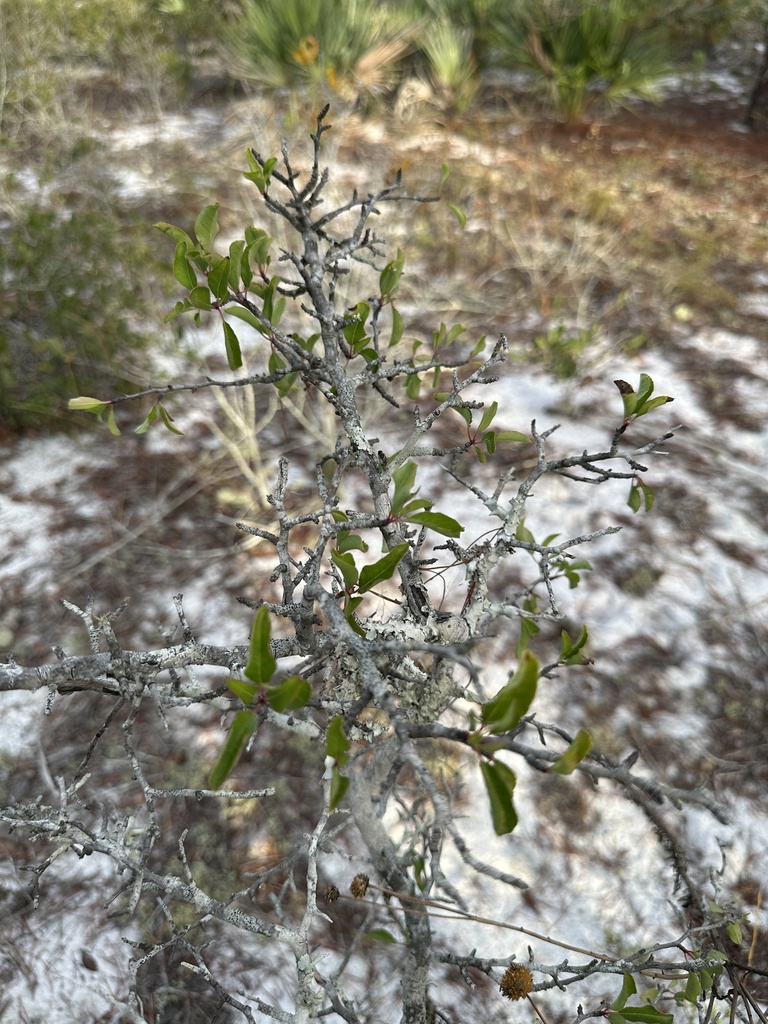
Pygmy Fringe-Tree
Chionanthus pygmaeusA federally endangered small tree of dry Central Florida scrubland, adapted to nutrient-poor sandy soils and vulnerable to habitat loss.
Scrub Plum
Prunus geniculataA federally endangered native plum restricted to fragments of Florida scrub and sandhill habitat, including Lake Wales Ridge conservation areas.
Photo: Matt Berger · CC BY 4.0Additional Central Florida endemic: Cooley’s Justicia
Cooley’s Justicia (Justicia cooleyi), also called Cooley’s water-willow, is a federally endangered understory wildflower with verified populations primarily in Hernando and Sumter counties and reports from Lake County. It is included for the broader Central Florida conservation context; we do not represent it as a confirmed Polk County plant.
Rare plant records should not be used to infer that any species occurs within the industrial data center parcel. Surveys of any proposed new ground disturbance, especially off-site utility corridors, must establish actual local presence and likely impacts.