Healthy Populations Matter Too
Broader native restoration species can be collected through authorized landowner, volunteer, and conservation programs before those populations become rare or severely fragmented.
Ethical, science-based collection is the foundation of conservation, restoration, and a resilient native seed supply for Florida.
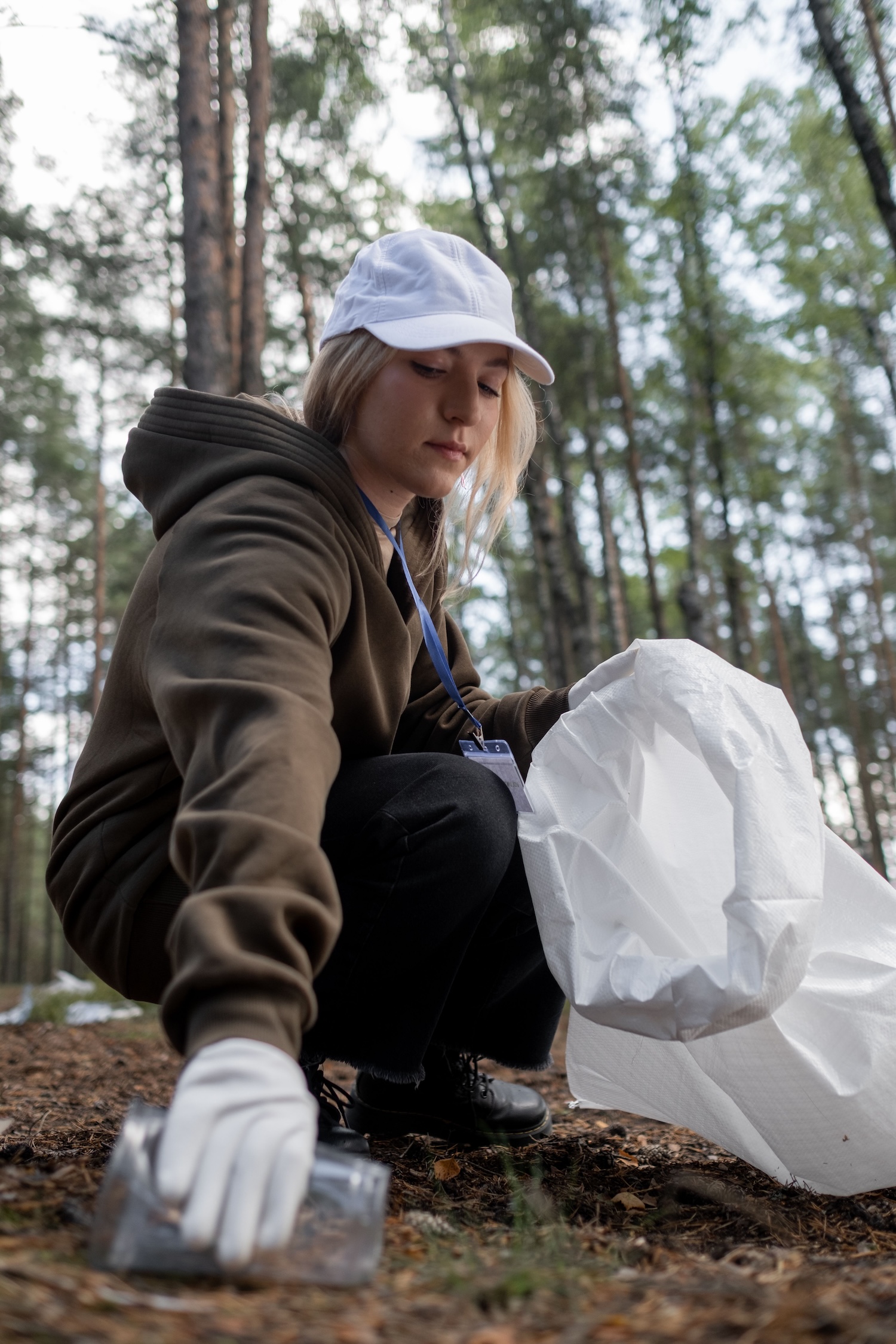
At the Florida Seed Bank, seed collection is where conservation becomes direct, practical action. Gathering native seeds from wild populations requires scientific care, accurate plant identification, local ecological knowledge, and respect for the habitats that sustain them.
We work with volunteers, conservation professionals, landowners, public agencies, and community partners to ethically harvest, clean, document, test, and preserve native seed stock from throughout Florida. Suitable seeds will be dried, sealed, and placed in long-term freezer storage, while species that cannot tolerate drying or freezing will require propagation, living collections, and dedicated conservation land.
By prioritizing genetic diversity, provenance, and regional adaptability, our seed collection program builds material for habitat restoration, research, propagation, seed amplification, and long-term ecological resilience.
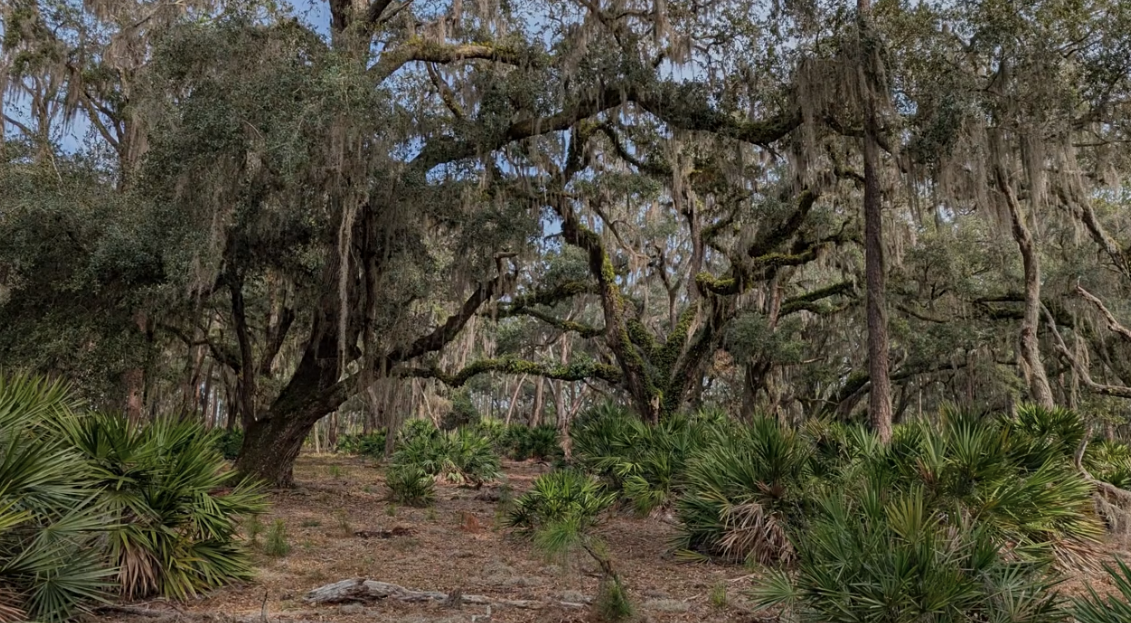
Florida Seed Bank does not wait for a plant to become endangered before recognizing its conservation value. Florida has roughly 3,200 native plant species, and our statewide catalog includes common ecological foundation species, regionally distinctive populations, declining plants, endemics, threatened species, and endangered species.
Preserving seed while populations are still healthy creates more genetic options for the future.
Broader native restoration species can be collected through authorized landowner, volunteer, and conservation programs before those populations become rare or severely fragmented.
Rare, endangered, regulated, or highly sensitive plants receive additional safeguards. Collection occurs only when legally authorized, scientifically appropriate, and supported by required permits, land-management approvals, professional expertise, and population-level conservation planning.
Florida Seed Bank does not impose one universal number of seeds for every accession. The amount collected is determined by population size, seed biology, reproductive output, conservation objectives, permit conditions, and the need to avoid reducing natural regeneration or wildlife food resources.
Two populations of the same native species may not be interchangeable. Florida’s soils, hydrology, rainfall, fire regimes, temperature patterns, elevation, and ecological relationships can shape locally adapted populations over generations.
Florida Seed Bank therefore treats provenance as part of the conservation material itself rather than as secondary information.
Formal rarity is not the starting point for Florida Seed Bank conservation. A locally important population can vanish through land conversion, development, storms, invasive species, hydrologic change, or management shifts while the species remains widespread elsewhere.
Conserving healthy populations before they decline preserves more genetic diversity, creates stronger restoration options, and reduces the need to make emergency collections from already-stressed populations later.
Every collection must protect the health of the wild population while preserving useful scientific and ecological information.
We follow conservation guidelines designed to leave the majority of viable seed in place. Depending on the species, population size, site conditions, and applicable permit requirements, collections are generally limited to a small portion of the available seed—often no more than 10–20%.
We avoid relying on seed from one individual plant or one isolated location. Where appropriate, collections represent multiple healthy plants, micro-regions, soil conditions, and habitat types.
Our field collection, drying, cleaning, sorting, and storage practices avoid synthetic pesticides, chemical seed treatments, and unnecessary environmental inputs.
Every seed lot moves through a documented process from the original wild population to long-term freezer storage, specialized propagation, or regional amplification on protected conservation land.
Locate, identify, map, and evaluate healthy native plant populations across Florida’s diverse ecosystems.
Collect mature seed by hand using species-appropriate, low-impact techniques during the correct seasonal window.
Carefully dry, separate, and clean collected material to reduce moisture, debris, pests, and damaged seed.
Document each seed lot, evaluate viability, and determine whether it should enter long-term freezer storage or be maintained through propagation and living collections.
Before harvesting begins, we identify healthy wild populations and document their location, habitat type, surrounding plant community, soil conditions, population size, and stage of seed maturity. Mapping allows future teams to monitor the site and helps preserve the regional history of each collection.
Trained volunteers and collection partners gather mature seed heads, fruits, pods, or capsules by hand. Harvesting is timed carefully so seed is mature enough to remain viable while still leaving ample material for natural regeneration and wildlife.
Seed is dried under species-appropriate conditions, cleaned, inspected, and separated from leaves, stems, chaff, and damaged material. Seed that can safely tolerate drying and freezing will require moisture-resistant packaging, dedicated seed-bank freezers, temperature monitoring, backup power, and periodic viability testing so valuable genetic material can remain usable for decades. Each seed lot is labeled with available information such as species, collection date, source location, collector, habitat, and processing history.
Species whose seeds cannot tolerate conventional drying or freezer storage must be preserved as living plants through ongoing propagation. This will require access to dedicated conservation land, nursery space, irrigation, monitoring, and regionally appropriate amplification plots. Growing these plants in managed, chemical-free settings allows us to maintain living genetic collections, renew seed supplies, and reduce repeated harvesting pressure on vulnerable wild populations.
A seed is most useful for conservation when its origin is known. Whenever possible, each collection is documented with its species identity, source location, collection date, habitat type, regional conditions, and the people responsible for gathering and processing it.
This information helps restoration partners select seed that is appropriate for a particular region, ecosystem, soil type, or climate condition. It also creates a long-term scientific record of Florida plant populations as development and environmental change continue to reshape the state.
Building this preservation system will require both specialized cold-storage infrastructure and protected land. Grant funding and conservation partnerships will be essential for seed-bank freezers, backup power, monitoring equipment, nursery capacity, propagation facilities, and long-term amplification plots for species that must be maintained as living collections.
The Florida Seed Bank may accept native seeds that have been legally acquired or collected from native plants growing on land owned by the donor or collected with the landowner’s documented permission.
Donations can help preserve valuable regional genetics, especially when native habitat is scheduled for development, clearing, construction, landscaping changes, or other disturbance.
Landowners and volunteers can play a direct role in protecting Florida’s native plant diversity.
Do you have native wildflowers, grasses, trees, shrubs, or other native plant populations growing on your land? Partner with us to document those plants and explore whether ethical, low-impact seed collection may be appropriate.
Register Your PropertyJoin field collection teams and learn native plant identification, seed maturity assessment, ethical harvesting, cleaning, labeling, and processing. No prior scientific experience is required for many volunteer roles; training and supervision can be provided.
Become a VolunteerEthical native seed collection is only the beginning of a conservation accession. Florida Seed Bank's public Standard Operating Procedure explains the principles that guide our work from field authorization and source-population protection through provenance documentation, careful processing, conservation storage, research, propagation, safety duplication, and future restoration use.
The public SOP also explains why we conserve more than a species name. Wild-population history, habitat, geographic origin, and ecological context can all affect the long-term scientific and restoration value of a collection. Where conventional seed banking is not appropriate, other conservation pathways—including living collections and in-vitro or tissue-culture work—may be considered.
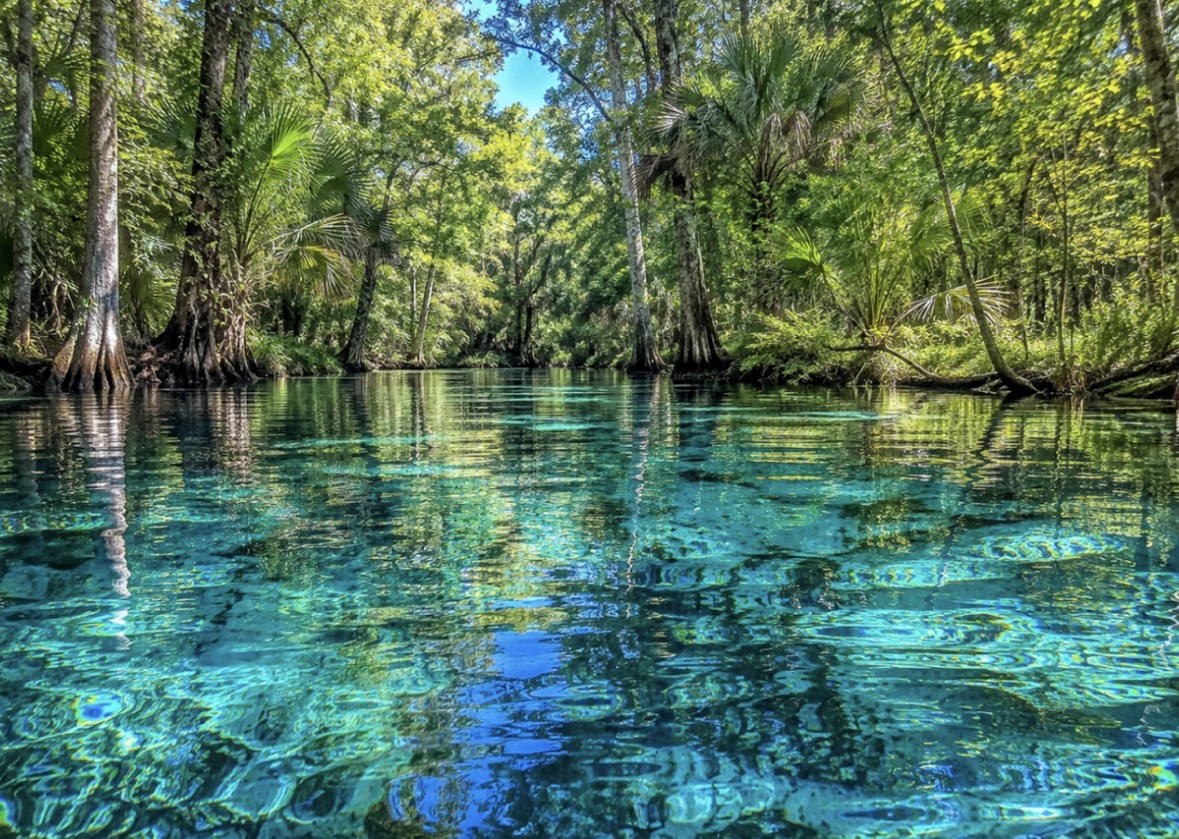
“Every responsibly collected seed preserves more than a plant. It preserves a place, a population, and the possibility of restoring what Florida may otherwise lose.”