Join the Movement to Preserve Florida’s Flora

Give your time, land, knowledge, seeds, or support to help protect Florida’s native plant diversity for generations to come.

Conservation Grows Through Community

The Florida Seed Bank is powered by people who care deeply about the future of our state’s ecosystems. As a grassroots, volunteer-driven initiative, every contribution helps strengthen and expand Florida’s native seed supply.

You do not need to be a botanist or conservation scientist to make a meaningful difference. Volunteers can learn native plant identification, ethical seed harvesting, seed cleaning, cataloging, propagation, and habitat restoration through hands-on participation.

Landowners, restoration practitioners, researchers, educators, conservation professionals, community groups, and public agencies can also support this work by sharing land, knowledge, equipment, native plant material, and opportunities for collaboration. This support is especially important because some native seeds can be preserved in long-term freezer storage, while others must remain alive through continued propagation on protected conservation land.

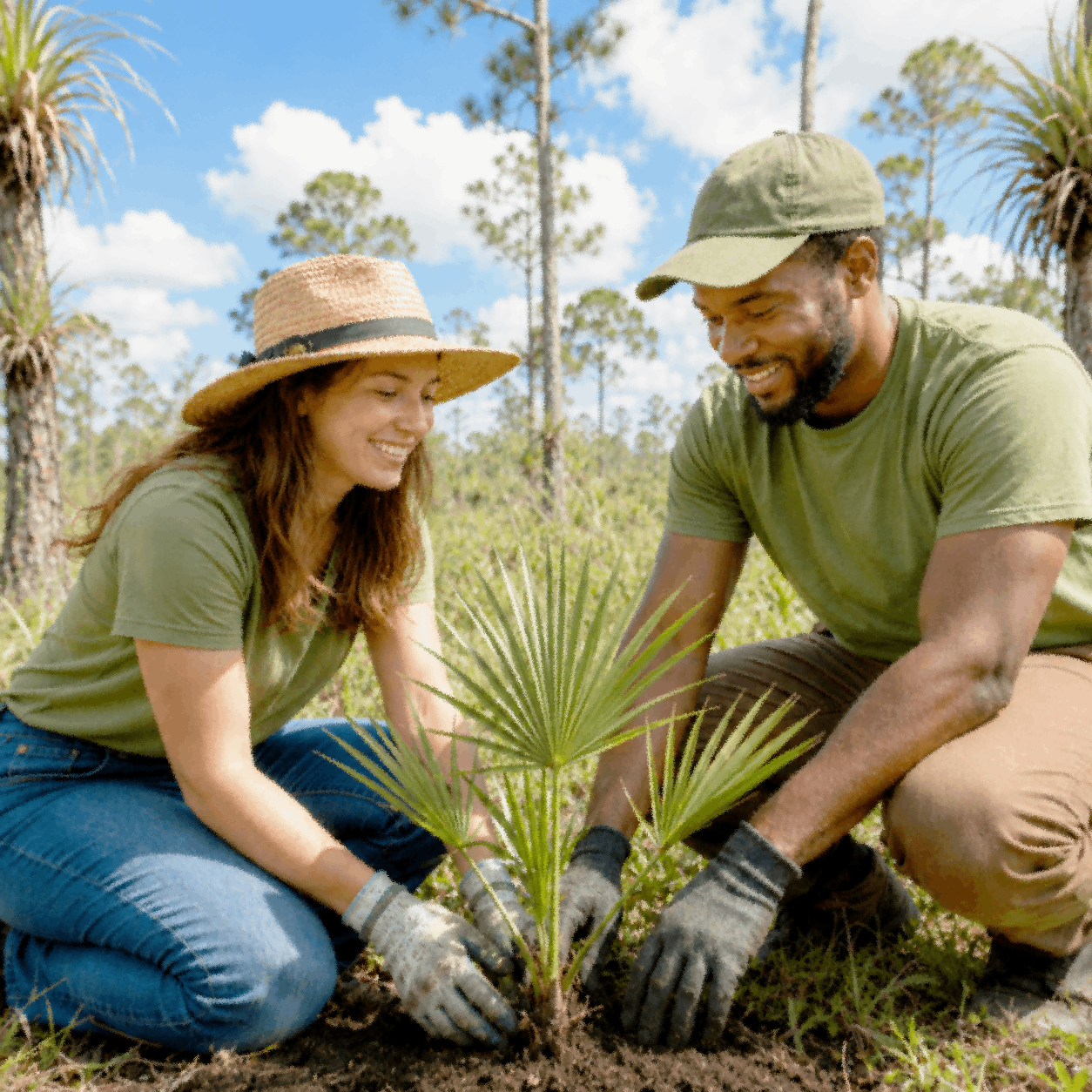
Two volunteers planting a native seedling together

Ways You Can Take Action

Whether you have a few hours, a piece of land, professional knowledge, or an established conservation program, there is a place for you in this work.

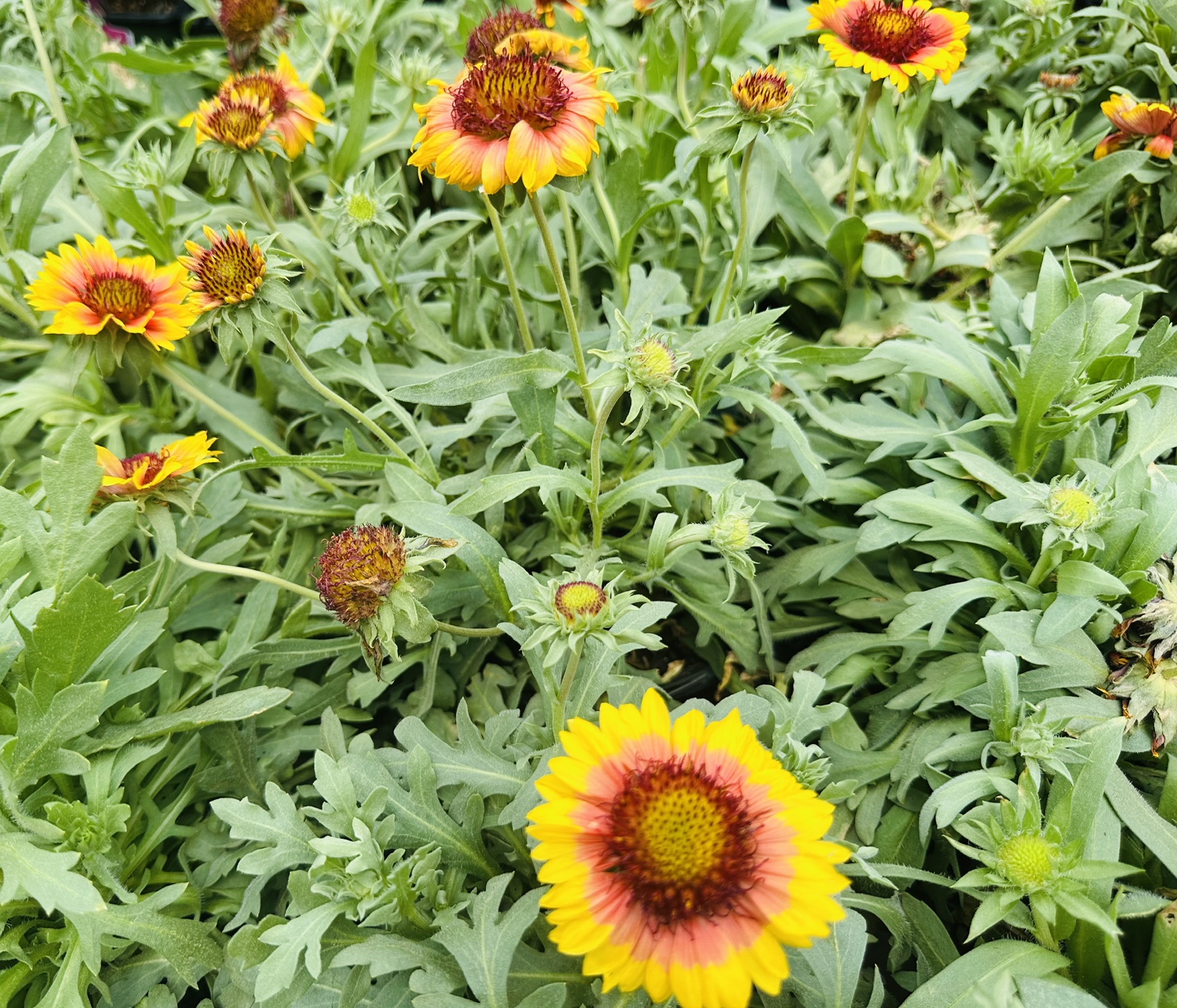
Volunteers collecting seeds from native Florida wildflowers
1

Volunteer in the Field

Get hands-on experience in native plant conservation by participating in supervised collection days, processing workshops, planting events, and habitat projects.

  • Scout and document native plant populations.
  • Help ethically collect mature native seeds.
  • Clean, sort, label, and package seed lots.
  • Plant and maintain regional amplification plots.
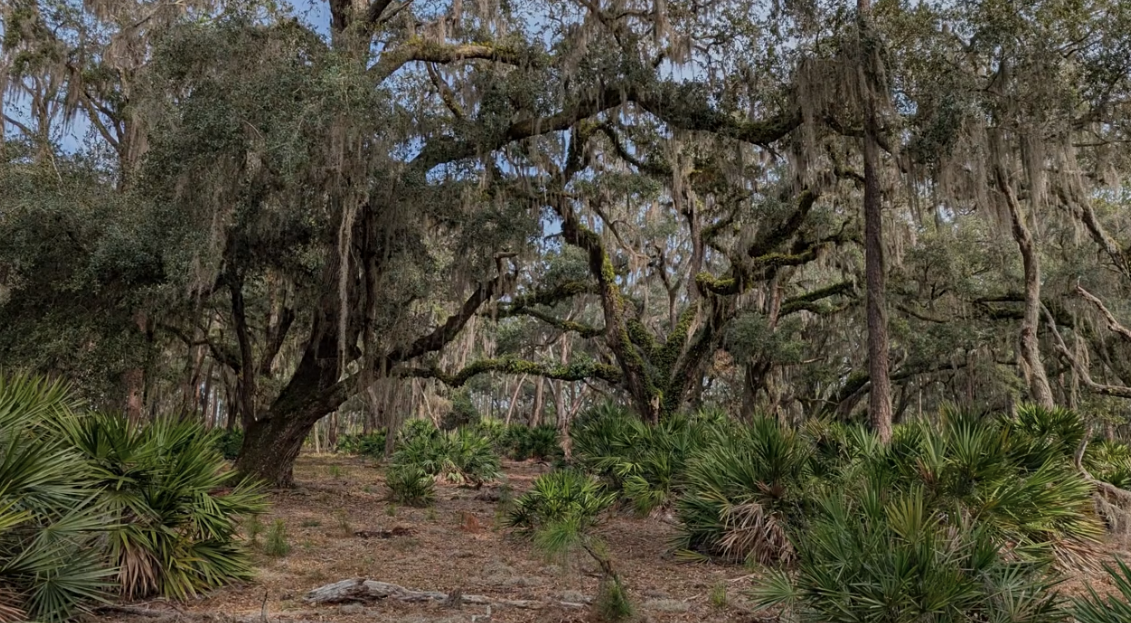
Native Florida habitat suitable for a landowner partnership
2

Become a Landowner Partner

Florida landowners can help preserve regional plant genetics by allowing carefully managed collection, supporting native seed production, or providing land for living conservation collections of species whose seeds cannot tolerate conventional drying and freezer storage.

  • Provide access to healthy native plant populations.
  • Host a chemical-free native seed amplification plot or living conservation collection.
  • Help document habitats threatened by development.
  • Donate legally acquired native seeds from your land.
Hands protecting and nurturing a growing seedling
3

Become a Restoration Partner

We collaborate with people and institutions working to restore, study, propagate, protect, and educate others about Florida’s native plant communities.

  • Share restoration knowledge and technical expertise.
  • Collaborate on seed collection or propagation projects.
  • Help identify high-priority species and habitats.
  • Expand access to regionally appropriate native seed.

Volunteer Opportunities

Our volunteer roles range from outdoor fieldwork to careful indoor processing, recordkeeping, outreach, and education.

Seed Harvesting Teams

Assist trained team leaders with scouting, identifying, documenting, and ethically collecting mature seed from approved native plant populations.

Seed Processing & Cleaning

Help dry, clean, separate, inspect, count, label, and package seed lots for testing and species-appropriate preservation, including long-term freezer storage for suitable seeds and propagation for species that must remain alive.

Amplification Plot Management

Support planting, watering, weeding, monitoring, photographing, and harvesting native wildflowers and grasses grown for increased seed production. These plots may also serve as living conservation collections for species that cannot be preserved safely through freezer storage.

Plant Identification

Volunteers with botanical knowledge can help identify native species, distinguish look-alikes, confirm seed maturity, and document regional plant communities.

Data & Cataloging

Help record species names, collection dates, county and habitat information, seed-lot histories, photographs, and available source documentation.

Education & Outreach

Assist with workshops, educational materials, community events, landowner outreach, volunteer recruitment, and public awareness campaigns.

Put Your Land to Work for Conservation

Private land can protect important native plant populations that may not exist within public parks or preserves. Even a small property may contain valuable regional genetics, uncommon wildflowers, native grasses, or mature seed-producing plants.

Land will also be essential for species whose seeds cannot survive conventional drying and long-term freezer storage. These plants must be maintained through propagation, living collections, nursery care, and periodically renewed amplification plots. Secure conservation land can therefore protect living genetic material that cannot be preserved in a freezer.

Landowner partnerships are voluntary and site-specific. Before any collection or planting activity begins, the property, native species, access conditions, and conservation value should be evaluated.

Collection Access

Allow trained volunteers to document and ethically collect a limited amount of mature seed from approved native plant populations growing on your property.

Amplification Plots & Living Collections

Host a low-impact, chemical-free plot where regionally appropriate native plants can be grown to produce larger quantities of seed without repeatedly harvesting wild populations. Suitable sites may also preserve species that must remain alive because their seeds cannot tolerate conventional freezer storage.

Habitat Rescue

Contact us when native habitat on privately owned land is scheduled for clearing, construction, or other permanent disturbance. Florida Seed Bank evaluates opportunities for documented, legally authorized seed rescue before local plant genetics are lost. Protected or regulated species receive any additional permits, approvals, and professional conservation planning required by law and site conditions.

Restoration Network

Restoration Partnerships

Florida Seed Bank builds practical relationships that connect seed conservation with propagation, research, education, land stewardship, and restoration.

01

Propagation & Seed Production

Expand cultivation knowledge, regional seed availability, nursery capacity, and responsible native seed multiplication.

02

Research & Technical Expertise

Strengthen identification, seed biology, germination, viability testing, data quality, genetics, storage, and species-specific conservation methods.

03

Land Management & Restoration

Connect provenance-based seed with habitat restoration, native planting programs, land-management priorities, and long-term ecological monitoring.

04

Funders & Land Partners

Help establish storage, backup power, monitoring systems, nursery capacity, amplification plots, and protected conservation land.

05

Community & Education

Expand volunteer training, native plant education, landowner outreach, and regional restoration capacity.

Conservation Before Loss

When Habitat Cannot Be Saved, Its Genetics May Still Be

Florida Seed Bank places habitat protection first. But when lawful development, infrastructure work, or permanent land conversion is moving forward and the habitat cannot be preserved, there may still be an opportunity to conserve part of the site’s native genetic diversity.

With willing landowners and all required permissions, permits, and professional oversight, Florida Seed Bank evaluates opportunities to document native plant populations and collect appropriate seed before those local genetics disappear.

Rescued material is not treated as anonymous seed. It enters the conservation system with provenance documentation so it can support long-term storage, propagation, seed amplification, research, restoration, or species recovery according to the biology and legal status of the plant.

Seed rescue does not replace habitat conservation. It preserves options when habitat loss can no longer be prevented.

Additional Support

More Ways to Contribute

Fieldwork is only one part of building a statewide native seed conservation network.

Donate Legally Acquired Native Seed

We may accept correctly identified native seed that was legally acquired, collected from plants on land owned by the donor, or gathered with the property owner’s documented permission. Contact us before sending any seed so its suitability and documentation can be reviewed.

Share Professional Expertise

Botanists, ecologists, horticulturists, farmers, land managers, attorneys, conservation professionals, educators, photographers, designers, and technology specialists can contribute valuable skills.

Provide Equipment or Materials

Field tools, paper collection bags, labels, drying racks, moisture-resistant storage containers, cleaning screens, propagation supplies, nursery materials, irrigation equipment, and appropriate workspace may support collection and processing efforts. Long-term needs also include dedicated seed-bank freezers, temperature monitoring, backup power, and land for living conservation collections.

Advocate for Native Habitat

Help identify threatened plant populations, educate your community, support native landscaping, report habitat at risk, and encourage conservation-minded land management.

What Volunteers Can Expect

Conservation work should be safe, respectful, accurately documented, and beneficial to the habitat. Volunteer activities may vary by location, season, weather, species, land-access requirements, and available supervision.

  • Guidance on ethical harvesting and low-impact field practices.
  • Training appropriate to the assigned role and experience level.
  • Clear instructions regarding private property, public land, permits, and protected species.
  • Opportunities to learn native plant identification and seed stewardship.
  • A respectful, community-focused environment centered on conservation.
  • No unauthorized collection from public land, protected habitats, or private property.

“Real conservation is not something we watch from the sidelines—it is something we grow together.”

Help Grow Florida’s Conservation Future

Tell us how you would like to participate, whether through volunteering, land access, native seed donation, professional expertise, equipment, education, or restoration partnerships. Building Florida’s long-term preservation capacity will require both specialized freezer infrastructure and protected land for propagation and living collections.